Copolyester plastic commodity price Raw material price development
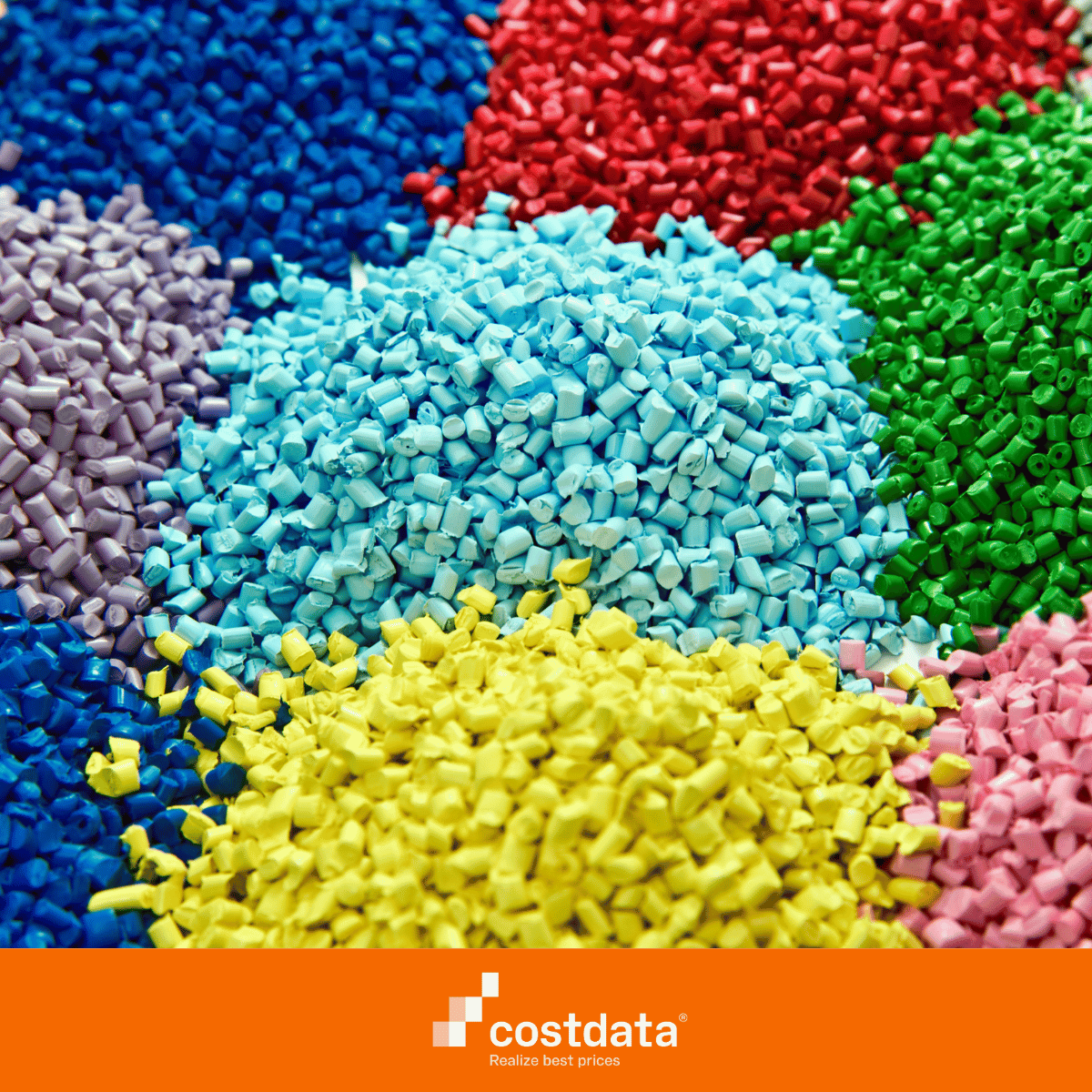
At a time when raw material prices are fluctuating wildly and sustainability is increasingly becoming the benchmark for economic activity, access to reliable and up-to-date market data is becoming more and more important. Particularly in the field of copolyesters, monitoring plastic commodity prices and raw material price trends is a decisive factor in ensuring planning security for companies.
The costdata® plastics database provides a reliable basis for this. It combines comprehensive information on common plastics and special materials such as copolyesters and is continuously updated. Companies gain access to historical data, price trends, and market trends, which serve as a basis for forecasts and strategic decisions. This transparency makes it possible to identify developments at an early stage and respond to market changes in a targeted manner.
Copolyester is a versatile material known for its combination of high clarity, impact resistance, and chemical resistance. It is often used in packaging, medical applications, consumer goods, and technical components. The commodity price of copolyester plastic depends on numerous factors, including the prices of raw materials such as terephthalic acid and glycol, energy prices, and global demand for transparent, recyclable materials.
The costdata® plastics database allows these complex price relationships to be analyzed precisely. It enables companies to evaluate price developments based on historical and current market data and to better assess future trends. This allows purchasing, production, and cost planning to be made more efficient in the long term. Companies thus gain the opportunity to minimize risks and secure competitive advantages—especially in markets that are strongly influenced by global supply chains and energy prices.
In addition, the database provides valuable support in optimizing cost structures. By analyzing price indices and material costs, potential savings can be identified without compromising product quality. At the same time, the database enables the evaluation of alternative materials in order to develop more sustainable and economical solutions. This function plays an important role, especially in the case of copolyesters, which are increasingly being used as substitutes for conventional PET or PC materials.
The costdata® plastics database also provides valuable insights in research and development. It provides detailed material data that helps engineers and product developers design innovative and resource-efficient solutions. This combination of technical precision and economic transparency makes the database an indispensable tool for modern industrial companies.
Another key advantage lies in negotiations with suppliers. Accurate and up-to-date market data strengthens your position in price negotiations, as it provides an objective basis for argumentation. This transparency promotes fair, long-term business relationships and helps companies to realistically assess price developments and act in a spirit of partnership.
The costdata® plastics database provides companies with a clear overview of raw material price trends for copolyester plastics. It not only provides transparency on current market movements, but also lays the foundation for strategic, sustainable, and future-oriented decisions—from cost optimization and material planning to innovation development.
.svg)