Aliphatic polyketones Plastic commodity price Raw material price development – Data-based market analyses for sustainable decisions
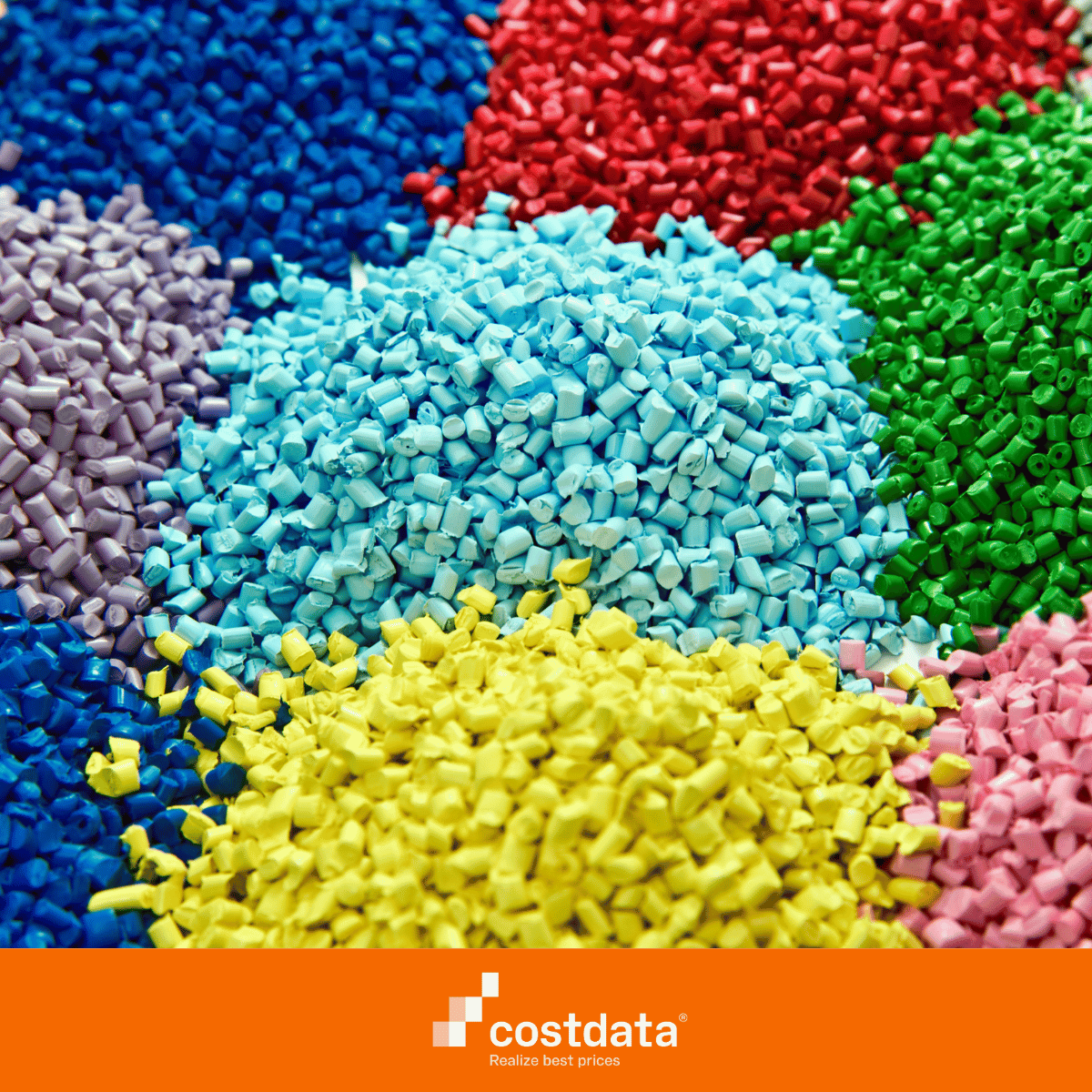
In a global economy where price volatility and sustainability are key issues, companies need a solid database to make strategically sound decisions. Access to reliable and up-to-date market data plays a crucial role, particularly in the area of aliphatic polyketone plastic commodity prices and raw material price trends. The costdata® plastics database provides a comprehensive foundation for this by offering detailed information on engineering plastics, market movements, and price developments.
Aliphatic polyketones (PK) are high-performance engineering plastics with remarkable mechanical properties. They are characterized by high impact strength, excellent chemical resistance, and outstanding abrasion resistance. These characteristics make them ideal for use in the automotive industry, mechanical engineering, electronics, and many industrial precision parts. Due to their high performance, polyketones are considered an attractive alternative to polyamides and polyoxymethylene—especially when reliability and durability are required.
However, the market development of these materials is strongly influenced by global raw material prices. Fluctuations in the price of crude oil, energy, or intermediate products such as ethylene and carbon monoxide have a direct impact on the commodity prices for aliphatic polyketones. In addition, political and environmental factors—such as new environmental regulations, supply chain delays, or energy price increases—have a direct impact on production costs.
The costdata® plastics database enables users to understand these relationships in detail. It provides access to historical price trends, current market trends, and forecasts for raw material price developments. This allows companies not only to track price movements, but also to make informed predictions in order to optimally align procurement and budget planning with future developments. The database thus provides an important strategic advantage in purchasing and cost management.
Another key aspect is transparency in material selection. With comprehensive material and price information, companies can evaluate alternatives and specifically use more sustainable or economical materials. Especially in view of rising environmental standards, this opportunity offers a competitive advantage, as polyketones are increasingly considered sustainable high-performance plastics due to their long service life and recyclability.
In addition, the database helps research and development departments to design new products more efficiently and cost-effectively. Precise technical data and up-to-date price indicators enable better planning of innovation projects, optimization of material costs, and realistic assessment of market opportunities.
The database is also a valuable tool for negotiations with suppliers. By providing an objective overview of current market prices, companies can validate price quotes and negotiate fair, long-term contract terms.
The costdata® plastics database therefore offers more than just figures—it creates transparency, planning reliability, and the opportunity to make decisions based on solid, data-driven foundations. For companies operating in the aliphatic polyketone plastics commodity price sector, this means greater control, improved profitability, and sustainable competitiveness in a dynamic market environment.


.svg)