Ethylene - Chlorotrifluoroethylene Plastic Commodity Price Raw Material Price Development – Transparency for Precise Material Decisions
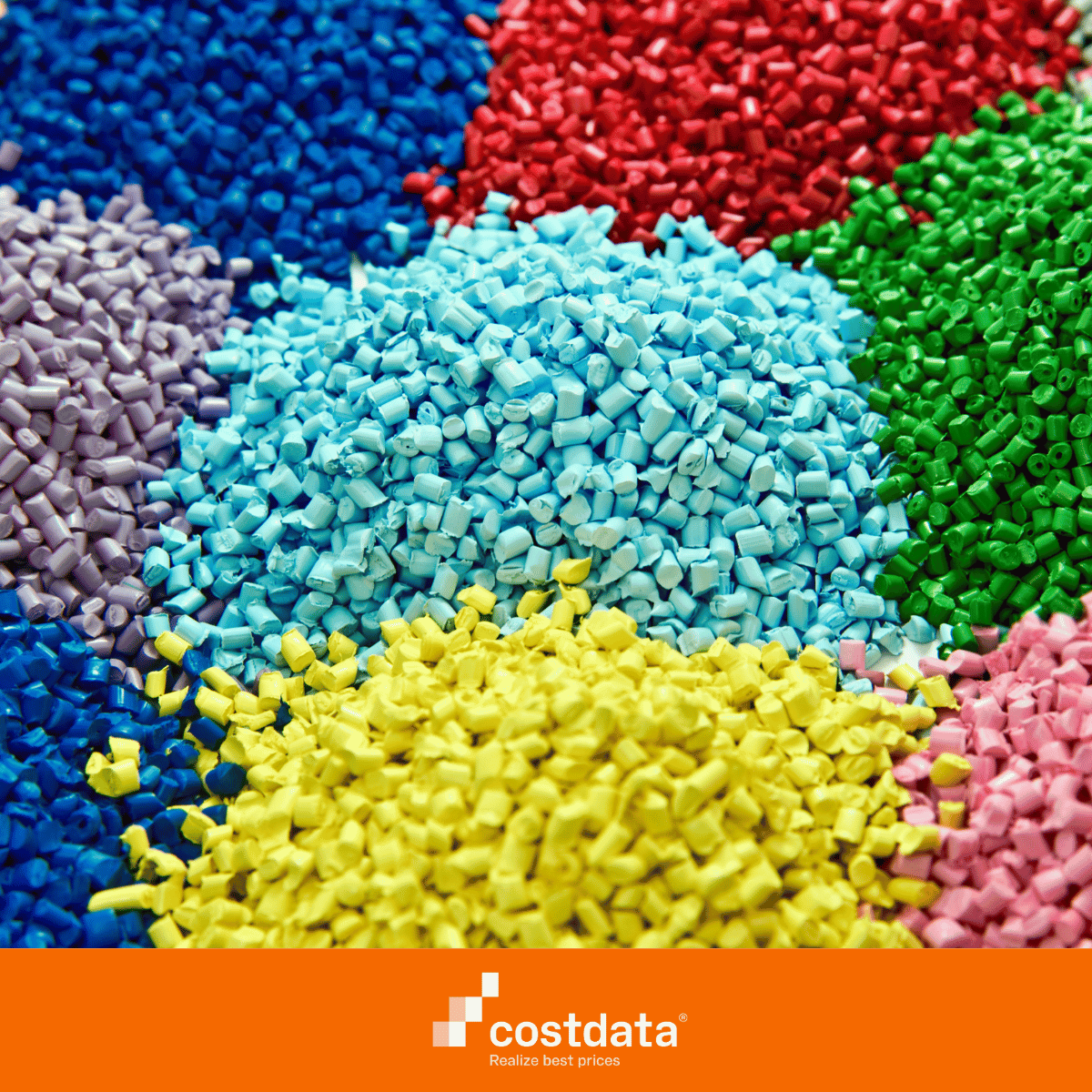
Developments on the global commodity markets are becoming increasingly complex. Volatile energy prices, geopolitical uncertainties, and the growing focus on sustainability are presenting companies worldwide with new challenges. Particularly in the case of high-performance plastics such as ethylene chlorotrifluoroethylene, or ECTFE for short, a precise understanding of commodity price trends is crucial. The costdata® plastics database provides the transparency needed to successfully master these challenges and make informed, data-driven decisions.
Ethylene chlorotrifluoroethylene is an engineering fluoroplastic that is used in demanding industries due to its excellent chemical resistance, high temperature resistance, and electrical insulation properties. Typical applications can be found in chemical process engineering, plant construction, the electrical industry, and coating technology. ECTFE is used, for example, for linings in pipelines, valves, membranes, and cable sheathing—anywhere where aggressive media or extreme environmental conditions occur.
The price development of epichlorohydrin-ethylene-chlorotrifluoroethylene plastic commodities is heavily dependent on the markets for fluorine compounds, ethylene, and energy. Since the production of ECTFE is energy-intensive, electricity prices and production costs in the chemical industry in particular influence the price structure. Global demand for high-performance polymers, especially from the semiconductor and environmental technology sectors, also has a direct impact on price movements.
To understand these complex relationships, the costdata® plastics database provides comprehensive, continuously updated market data. Companies can view historical price trends, trend analyses, and forecasts to plan material costs realistically and respond to market changes at an early stage. This transparency creates a solid basis for cost calculations, budget decisions, and long-term purchasing strategies.
In addition, the database helps identify alternative materials and evaluate their economic and technical suitability. Especially in phases of high price volatility, companies can reduce costs through data-based material comparisons without compromising on quality or performance. This creates direct added value for procurement, controlling, and product development.
The database also provides valuable support in the area of research and development. Access to detailed material and price information allows new product designs to be planned in a targeted manner, innovation potential to be identified, and sustainable solutions to be implemented. The combination of market analysis and material knowledge thus enables a holistic perspective on the entire value chain.
An additional advantage arises in supplier negotiations: thanks to accurate market data, companies can objectively compare price offers, derive realistic price levels, and thus significantly strengthen their negotiating position.
The costdata® plastics database provides companies with a powerful tool for precisely analyzing the price development of epichlorohydrin, ethylene, chlorotrifluoroethylene, and other plastic commodities, identifying opportunities, and minimizing risks. At a time when data quality is decisive for competitiveness, it creates the basis for sustainable, future-proof material strategies.


.svg)