Fluororubber Plastic Commodity Price Raw Material Price Development – Market Transparency for Strategic Material Decisions
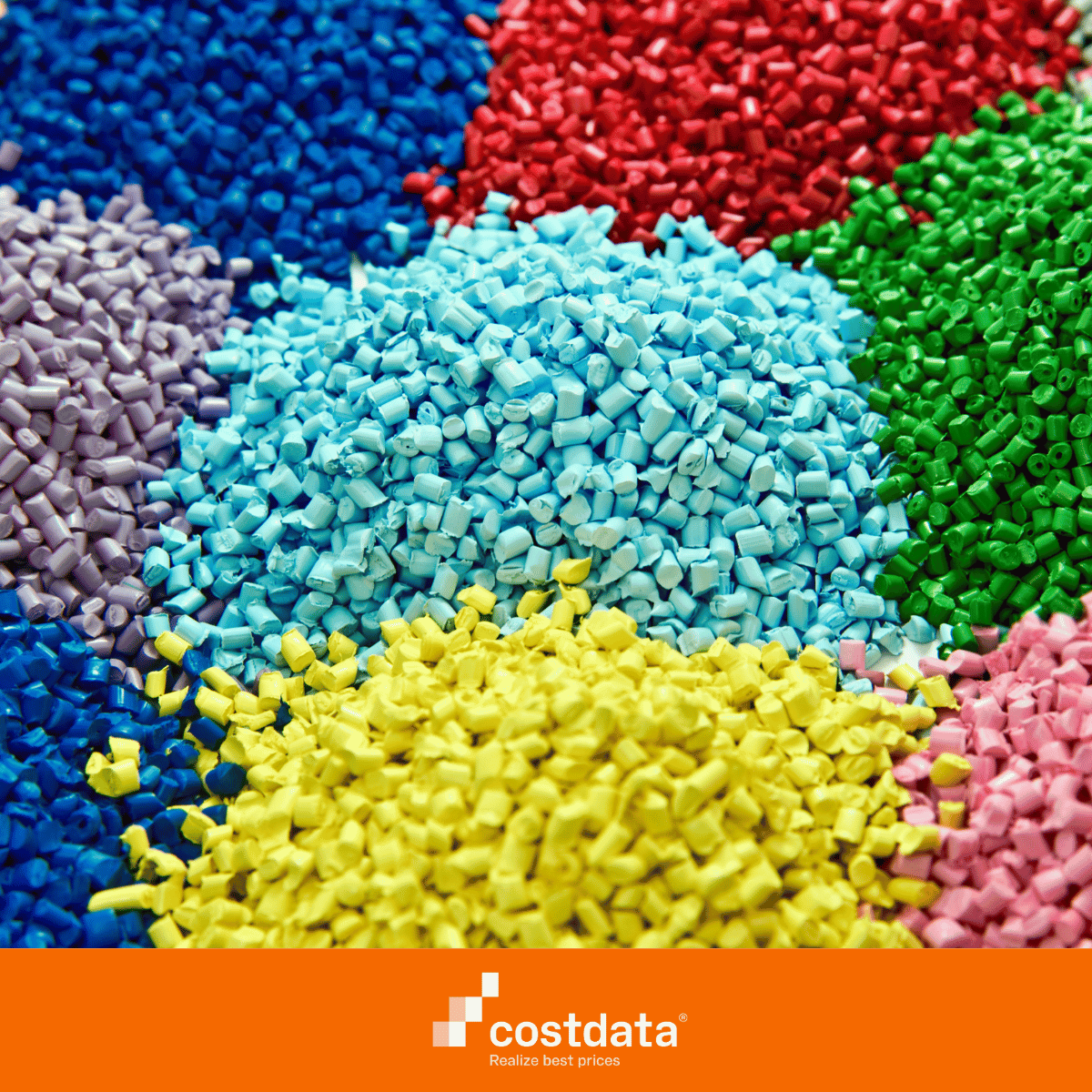
Modern industry is characterized by volatile raw material markets, complex supply chains, and increasing sustainability requirements. To remain competitive in this environment, companies need reliable and up-to-date market data. Especially in the case of high-performance elastomers such as fluororubber, monitoring the price development of fluororubber plastic commodities is crucial for making informed procurement and production decisions. The costdata® plastics database provides the necessary basis for this – transparent, structured, and globally up-to-date.
Fluorocarbon rubber (FKM) is a synthetic polymer with exceptional chemical, thermal, and mechanical resistance. Due to its high temperature resistance, oil and fuel resistance, and excellent sealing properties, FKM is primarily used in the automotive industry, aviation, chemical process engineering, and industrial sealing systems. Typical applications include O-rings, hoses, valves, and diaphragms that must withstand extreme conditions.
The price development of this high-performance rubber is heavily dependent on the global availability of raw materials, especially fluorine compounds. Factors such as energy prices, transport costs, and production capacities in the main production regions—primarily China, Japan, and the US—have a significant influence on commodity prices. In addition, regulatory requirements, for example in connection with emissions and environmental regulations, have an impact on cost structures.
The costdata® plastics database offers companies the opportunity to track these market dynamics precisely. Historical price trends, current market trends, and detailed forecasts make the development of raw material prices transparent and comprehensible. Companies can use this information to adjust their pricing strategies, calculate costs, and make informed purchasing decisions.
Another added value lies in the ability to compare materials and alternatives based on data. In today's world, where sustainability is increasingly becoming a focus, alternative elastomers with a lower environmental impact are gaining in importance. The database helps to evaluate their economic and technical suitability compared to fluorinated rubber – without neglecting performance requirements.
The database also provides valuable support in research and development. Engineers and developers can access precise material data, price analyses, and market information to plan new material combinations or product innovations in a targeted manner. This shortens development times and makes innovation processes more efficient.
In addition, the costdata® plastics database strengthens companies' position in supplier negotiations. Accurate, up-to-date market data creates transparency and enables objective evaluation of price offers. This puts communication with partners on a data-based and fair footing.
The costdata® plastics database provides companies with a powerful tool that comprehensively maps fluororubber, plastics, commodity, and raw material price trends. It not only creates transparency regarding price movements, but also provides a reliable basis for strategic, economic, and sustainable decisions in an increasingly data-driven industry.


.svg)