Modified polyphenylene ether blends Plastics commodity price – current raw material price trends and market analysis
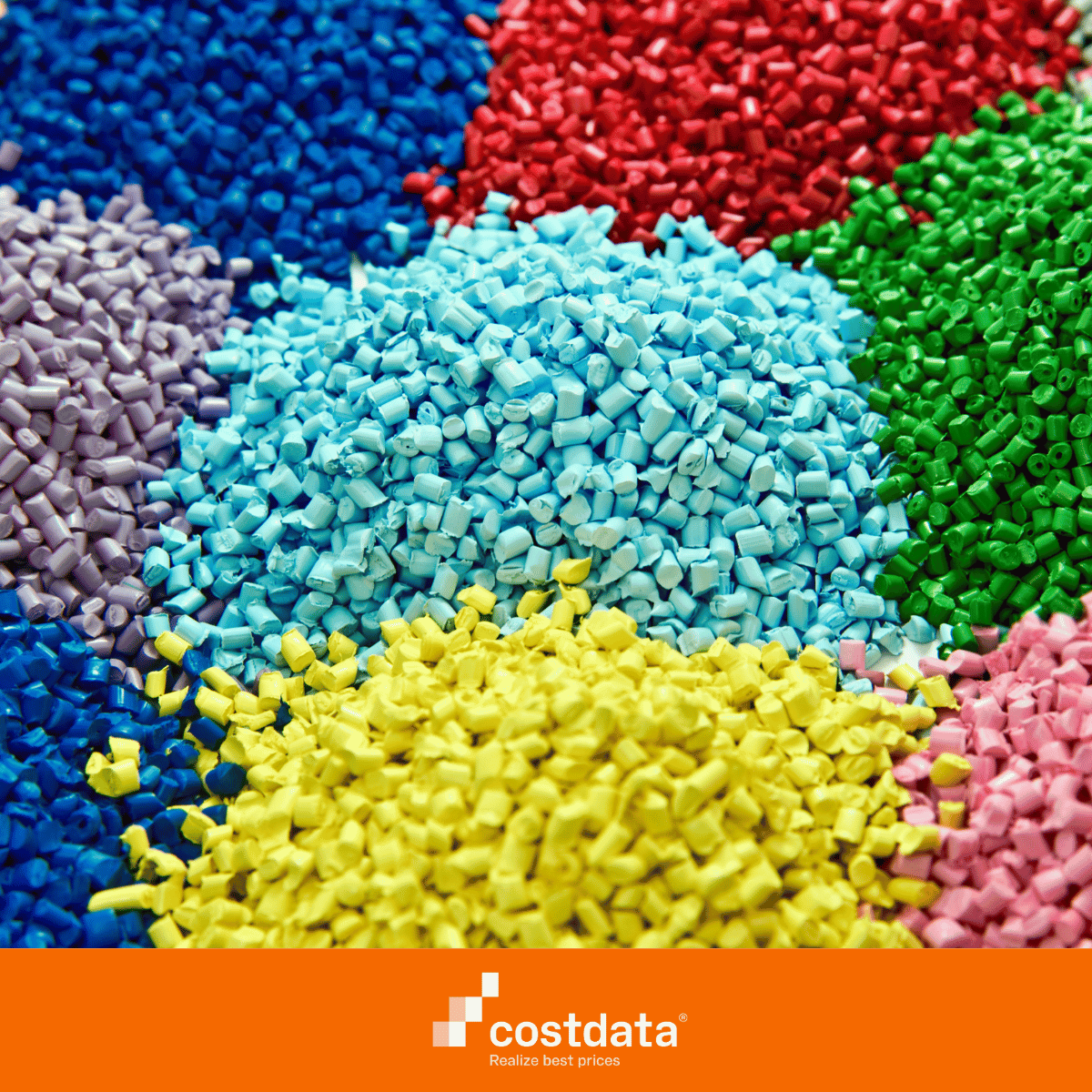
At a time when raw material prices are fluctuating wildly and sustainability is becoming increasingly important for companies, the price of modified polyphenylene ether blends plastic commodity is becoming increasingly significant. Modified polyphenylene ether blends (PPE blends) are among the most technically sophisticated plastics and are characterized by their high heat resistance, dimensional stability, impact strength, and electrical insulation properties. They are used in particular in the automotive industry, electronics, mechanical engineering, and medical technology, where precision and durability are crucial.
The price development of these high-performance plastics is closely linked to global raw material markets and industrial trends. Since polyphenylene ether (PPE) is blended with other polymers such as polystyrene (PS), polyamide (PA), or polycarbonate (PC), both the costs of the base polymers and energy and transportation costs influence the raw material price for modified polyphenylene ether blend plastics. Geopolitical factors, the availability of raw materials, and demand from high-growth industries such as electromobility and digitalization also affect the price structure.
It is crucial for companies to continuously monitor these developments in order to optimally adapt their procurement strategies. The costdata® plastics database provides the necessary basis for this. It combines comprehensive information on common and specialized plastics, including modified PPE blends, and is updated regularly. Companies gain access to historical price data, market trends, and forecasts, enabling them to analyze price movements, identify risks, and tailor their strategies.
The high quality of the data in the plastics database allows for precise analyses of raw material price trends. Companies can use this information not only to track price developments, but also to evaluate scenarios for future developments. This transparency is crucial for optimizing material costs, improving production processes, and making informed decisions about material use and purchasing. Particularly in the case of high-quality plastics such as PPE blends, whose production is energy-intensive and complex, accurate market observation can create significant cost advantages.
In addition, the database helps companies identify alternative materials and sustainable solutions. Through targeted analysis of material properties and market prices, companies can drive innovation while combining environmental and economic goals.
The costdata® plastics database also provides valuable support for research and development. It provides detailed material and market data that can be used to develop new product designs and material combinations. It also creates a reliable basis for price negotiations with suppliers. Accurate and up-to-date market data strengthens the position of companies in negotiations and helps to establish long-term partnerships on an equal footing.
The analysis of the modified polyphenylene ether blend plastic commodity price is therefore much more than an indicator of current market developments—it is a strategic tool. With the support of the costdata® plastics database, companies gain the transparency and depth of data they need to respond successfully to market changes, promote innovation, and develop sustainable competitive strategies.





.svg)


