PCT Polyethylene Blends Plastic Commodity Price Raw Material Price Development
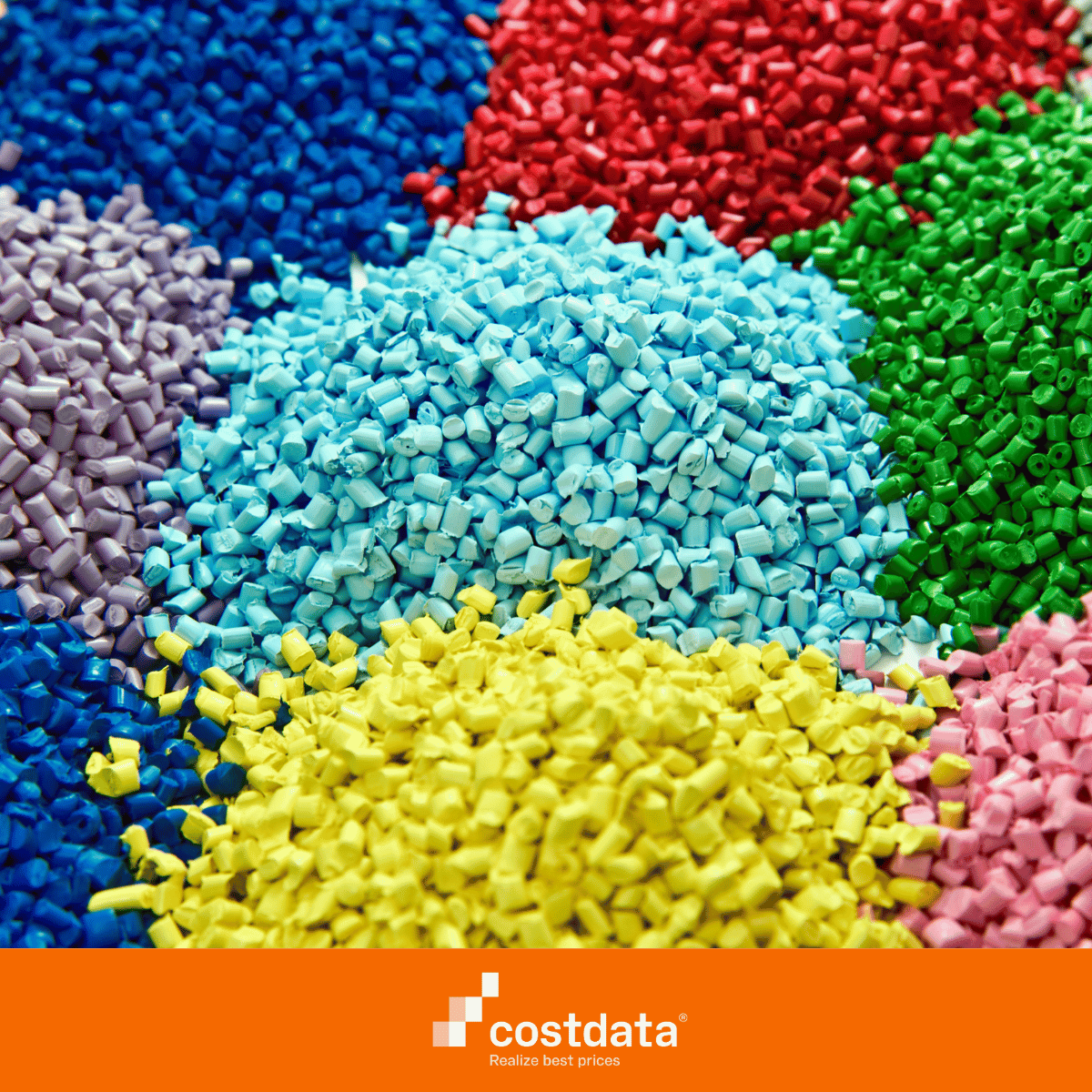
At a time when global commodity markets are changing due to rising energy prices, geopolitical uncertainties, and growing sustainability requirements, the price of polyethylene blends plastic commodities is becoming increasingly important. Polyethylene (PE) is one of the most widely used plastics worldwide and is available in different variants such as LDPE, HDPE, or LLDPE. Combining different types of polyethylene or mixing it with other polymers creates so-called polyethylene blends, which offer improved mechanical properties, greater flexibility, and better processing characteristics. These blends are used in the packaging industry, automotive production, and technical applications.
The price development of these materials depends heavily on global demand, oil price trends, and the availability of petrochemical raw materials. The commodity price of polyethylene blends is therefore influenced not only by production costs, but also by external factors such as transport costs, energy costs, and environmental regulations. Fluctuations in crude oil prices in particular have a direct impact on the prices of polyethylene raw materials. In recent years, the influence of sustainability initiatives—such as the increasing use of recycled materials—has also become an important factor in pricing.
In order to reliably analyze and understand the development of raw material prices for polyethylene blends, companies need an up-to-date, high-quality database. This is where the costdata® plastics database offers a decisive advantage. It combines comprehensive information on common plastics as well as special blends and branded materials. The database is continuously updated and provides not only historical price trends but also market forecasts and trends. This enables companies to react to price changes at an early stage and make informed decisions for purchasing, production, and development.
The high data quality enables detailed price analyses, which help to optimize cost structures and make production processes more efficient. When the price of polyethylene blends plastic commodities rises, companies can use the database to identify alternative materials that offer similar properties at more favorable conditions. This not only strengthens competitiveness, but also supports sustainable production strategies that focus on resource efficiency and material savings.
In addition, the costdata® plastics database provides valuable support in research and development. Engineers and materials experts use the extensive data sets to develop innovative products or optimize existing solutions. Polyethylene blends offer great advantages in this context, as they can be flexibly adapted to specific requirements—for example, for particularly robust, transparent, or heat-resistant applications.
The database also plays a central role in supplier communication. Up-to-date market data creates transparency and strengthens the negotiating position in price discussions. Companies that have access to objective and up-to-date market information are in a position to establish fair and long-term stable business relationships.
The costdata® plastics database provides companies with a sound basis for accurately tracking the development of raw material prices for polyethylene blends and making data-driven strategic decisions. It combines market transparency with planning reliability, thus creating a decisive competitive advantage in an increasingly dynamic plastics market.





.svg)


