PCTG plastic commodity price Raw material price development
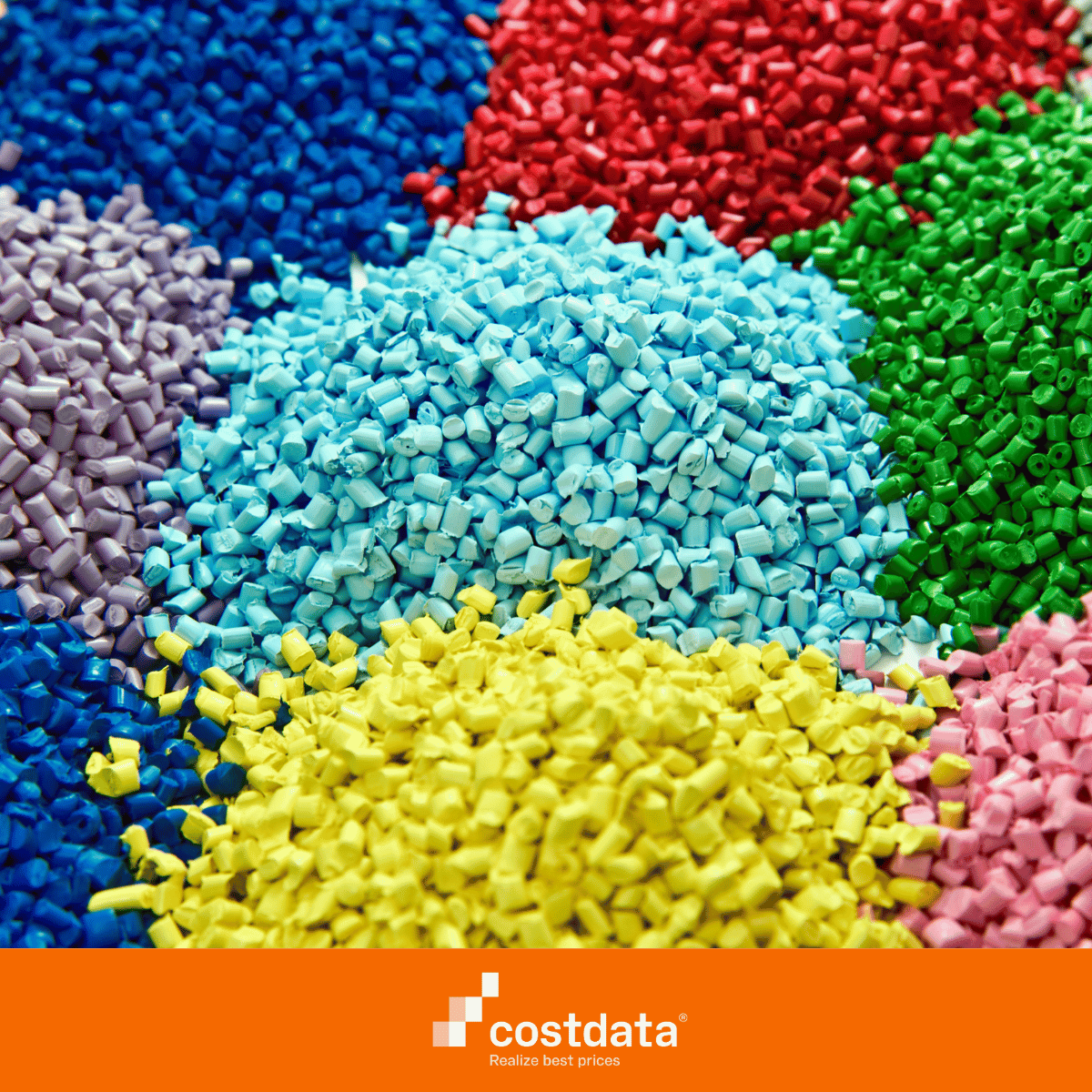
At a time when raw material prices are subject to strong fluctuations and sustainability is becoming increasingly important economically, the PCTG plastic commodity price is becoming more and more of a focus for the plastics industry. PCTG (polycyclohexylenedimethylene terephthalate glycol) is a copolyester that impresses with its excellent impact strength, transparency, and chemical resistance. Due to its versatility, it is used in numerous industries – from medical technology and packaging to electrical engineering and consumer goods.
The price development of PCTG is largely determined by the costs of the raw materials—in particular terephthalic acid (TPA), cyclohexanedimethanol (CHDM), and ethylene glycol. Since these petrochemical raw materials are heavily dependent on oil and energy prices, the price of PCTG plastic commodity is also subject to global market dynamics. Rising energy costs, transportation problems, and geopolitical tensions often lead to price spikes, while declines in demand in the consumer goods or packaging industries can bring short-term relief.
To better understand these complex relationships, companies need up-to-date and reliable data sources. This is precisely where the costdata® plastics database provides a solid foundation. It combines comprehensive information on standard and specialty plastics, including PCTG, and is continuously updated. With access to historical price data, market trends, and forecasts, companies can accurately track the development of PCTG raw material prices and make informed decisions for their material strategy.
The high data quality of the costdata® plastics database enables precise analyses and price forecasts. Companies can use this data to compare price trends, evaluate cost developments, and optimize their procurement processes in a targeted manner. If the PCTG plastic commodity price rises, the database allows you to quickly identify the factors behind this—whether it is a shortage of raw materials, increased demand, or rising energy prices. This transparency helps you to react quickly and develop long-term strategies to minimize risks.
Another key advantage is the support provided in identifying alternative materials. Companies can use the database to check whether related copolyesters such as PETG or Tritan are suitable economical alternatives. This not only reduces costs, but also helps achieve sustainability goals by integrating more environmentally friendly or more easily recyclable materials into the production process.
The plastics database also provides valuable input for research and development. It offers engineers and materials experts precise data for developing new product designs or optimizing existing applications. PCTG plays a central role in modern manufacturing processes—especially where transparency, impact resistance, and chemical resistance are required simultaneously.
In addition, the costdata® plastics database provides a reliable basis for price negotiations with suppliers. Up-to-date market data strengthens your position in discussions, promotes fair partnerships, and enables long-term cost certainty.
The costdata® plastics database gives companies a decisive competitive advantage. It not only provides in-depth insights into PCTG raw material price trends, but also a solid basis for strategic planning, cost management, and sustainable product development—in an industry that is constantly changing.


.svg)