Phenoplast plastic commodity price – current raw material price trends and market developments
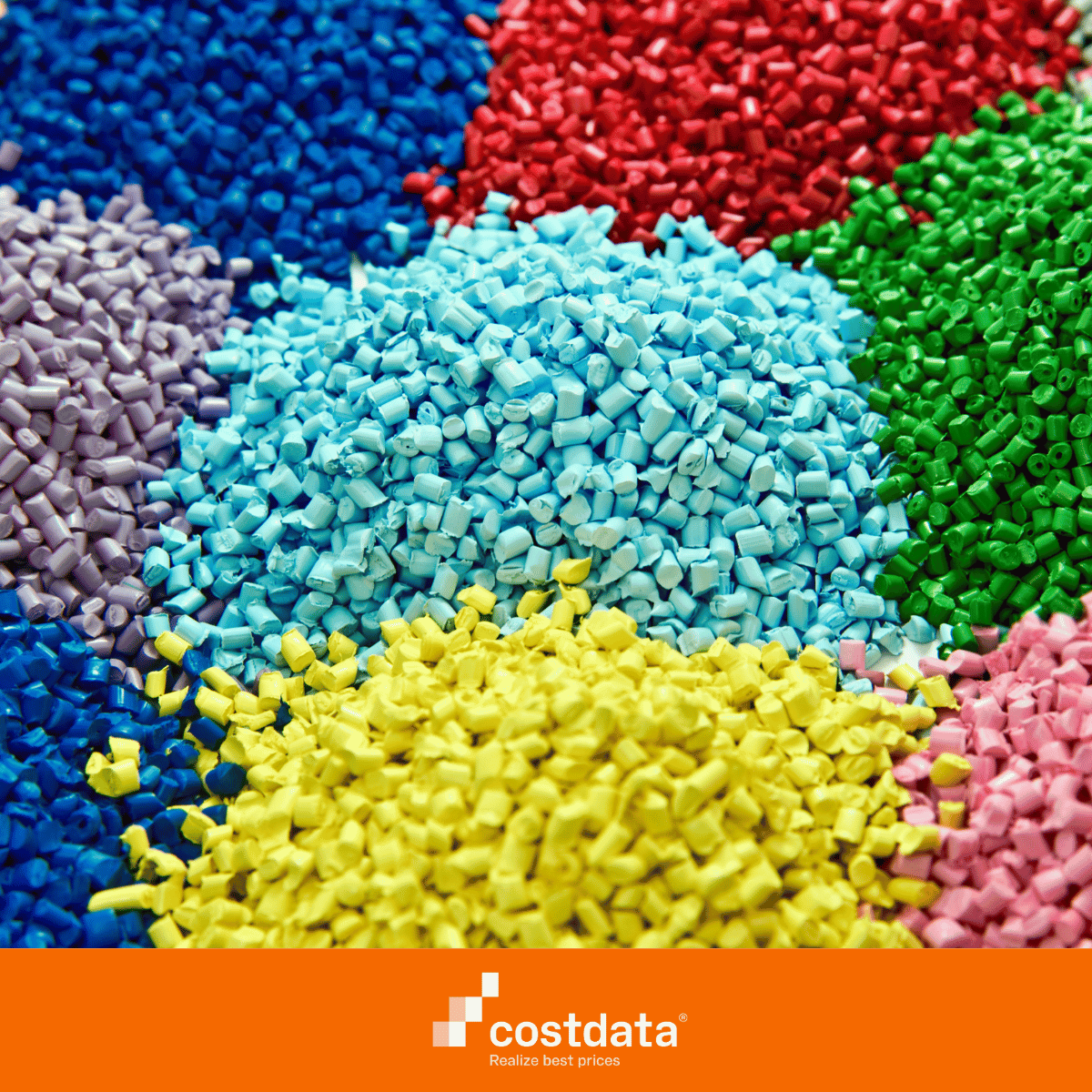
At a time when commodity markets are characterized by high volatility and sustainability is playing an increasingly strategic role, the price of phenolic plastic commodities is becoming the focus of increasing attention in industry and research. Phenoplasts, also known as phenolic resins, are among the oldest engineering plastics and are characterized by their exceptional heat resistance, hardness, and chemical stability. These properties make them an important material in the electrical, automotive, and construction industries, where reliability and durability are crucial.
The price development of phenoplasts is significantly influenced by factors such as raw material costs, production capacities, and global demand. Since phenolic resins are made from phenol and formaldehyde, the prices of petrochemical raw materials in particular have an impact on the development of raw material prices. In times of rising energy prices and fluctuating oil availability, price movements arise that pose challenges for both manufacturers and processors.
Access to reliable, up-to-date, and detailed market data is essential for making informed decisions. This is exactly where the costdata® plastics database comes in. It combines comprehensive information on common and specialized plastics—including thermosets—and is continuously updated. This gives companies access to historical price data, market trends, and forecasts, which form a solid basis for strategic planning and cost optimization.
By analyzing long-term data, market developments can be identified at an early stage. This not only reduces risks, but also allows opportunities to be exploited—for example, by purchasing materials at the right time or switching to alternative materials. The high data quality of the plastics database makes it possible to accurately assess cost structures and identify potential savings without compromising product quality.
Another important aspect is the role of sustainability. Even though phenoplasts are not considered classic recyclable plastics, resource-saving manufacturing processes and optimized material use are becoming increasingly important. By utilizing current market data, companies can better assess how sustainable production strategies affect the price of phenoplast commodity plastics and what long-term benefits they offer.
In addition, the costdata® plastics database provides valuable support for research, development, and negotiations with suppliers. Detailed data sets on price levels and market developments create transparency, strengthen negotiating positions, and promote strategic partnerships. Companies with precise market knowledge can respond flexibly to changes and secure their long-term competitiveness.
Observing and analyzing the price of phenolic plastic commodities is therefore much more than just a matter of looking at prices. It forms the basis for economic stability, technological innovation, and future-oriented corporate management—from strategic procurement to sustainable production.





.svg)


