Polyamide 6.6 Plastic Commodity Price Raw Material Price Development
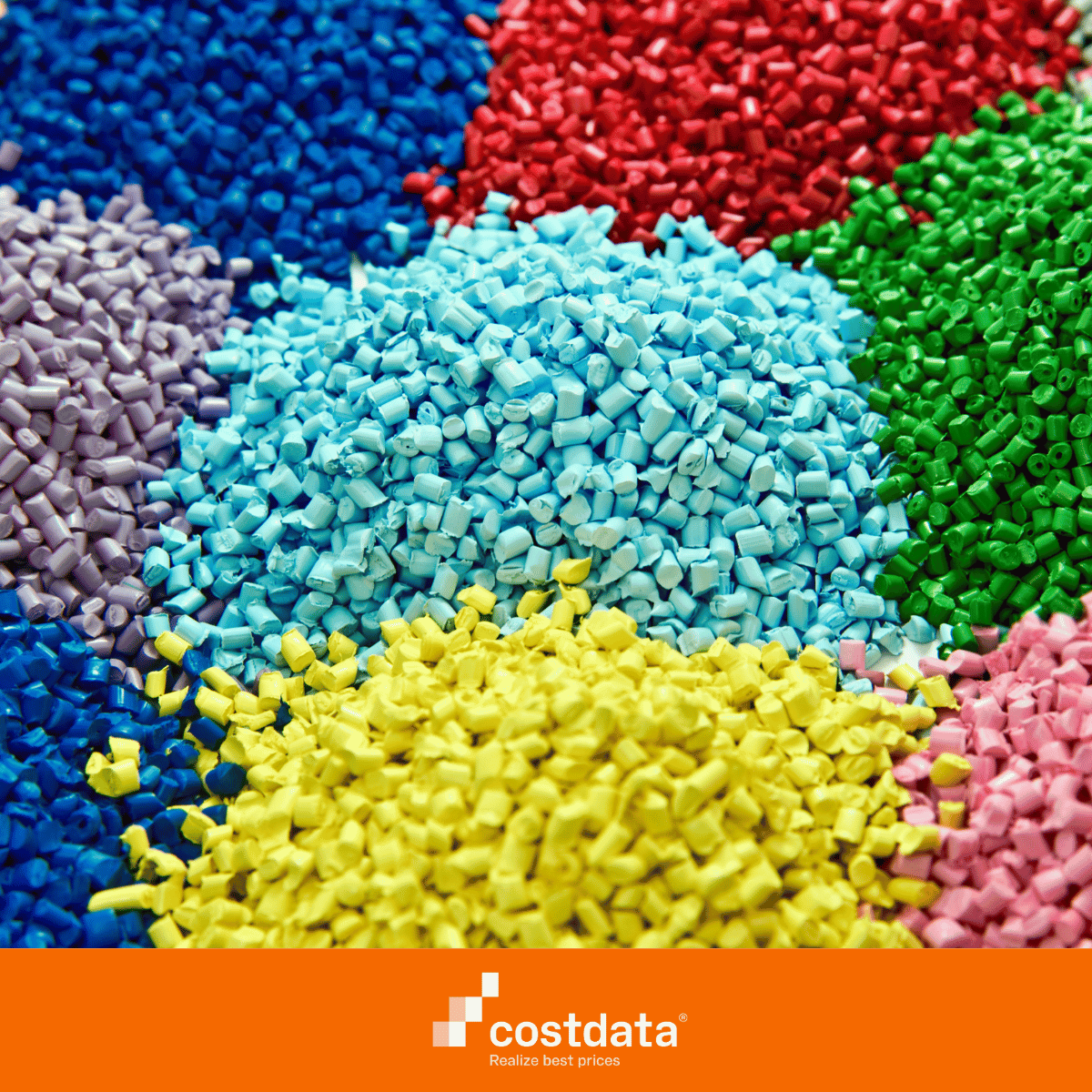
At a time when commodity markets are characterized by sharp price fluctuations, geopolitical influences, and growing pressure to be sustainable, the price of polyamide 6.6 plastic is increasingly becoming a focus of strategic corporate decisions. Polyamide 6.6 (PA 6.6) is one of the most important engineering plastics and is used in a wide range of industries – from the automotive and textile industries to electrical engineering and mechanical engineering. Due to its high strength, heat resistance, and chemical stability, it is considered a premium material among polyamides.
However, the price development of polyamide 6.6 is influenced by numerous factors. Fluctuations in the raw materials adipic acid and hexamethylenediamine (HMDA), which serve as key starting materials, have a direct impact on production costs. Energy prices, transport costs, and fluctuations in demand in the automotive and consumer goods industries also play a decisive role. In order to make informed decisions in this dynamic environment, companies need reliable data and transparent market analyses—which is exactly what the costdata® plastics database offers.
The database combines comprehensive information on common plastics and special brand materials, including polyamide 6.6, and is continuously updated. Companies gain access to historical price series, market trends, and forecasts, enabling them to accurately assess the development of polyamide 6.6 raw material prices. This transparency helps to identify developments at an early stage, optimize pricing strategies, and minimize cost risks.
The high data quality enables well-founded analyses to be created, which companies can use not only to improve their cost structures, but also to examine alternative materials. If the commodity price of polyamide 6.6 plastic rises due to shortages or increased energy costs, potential substitute materials such as polyamide 6 or bio-based variants can be analyzed. This flexibility enables strategic procurement while supporting the sustainable transformation of production.
The plastics database also plays a crucial role in research and development. It provides detailed information on technical and economic indicators that help engineers and product developers create innovative and cost-effective solutions. Polyamide 6.6 remains a key material for high-performance applications due to its technical superiority, but accurate price data allows production and development decisions to be made in a more targeted manner.
In addition, the costdata® plastics database strengthens your negotiating position with suppliers. Up-to-date, reliable market data enables fact-based discussions and long-term, stable partnerships. In a market characterized by price volatility and increasing sustainability requirements, this information advantage provides a clear competitive edge.
With the costdata® plastics database, companies not only gain transparency regarding the current raw material price development of polyamide 6.6, but also a strategic tool for cost management, innovation promotion, and sustainable planning. It combines market expertise with data quality—an indispensable basis for operating successfully even in volatile times.


.svg)