Polyamide 6 plastic commodity price Raw material price development
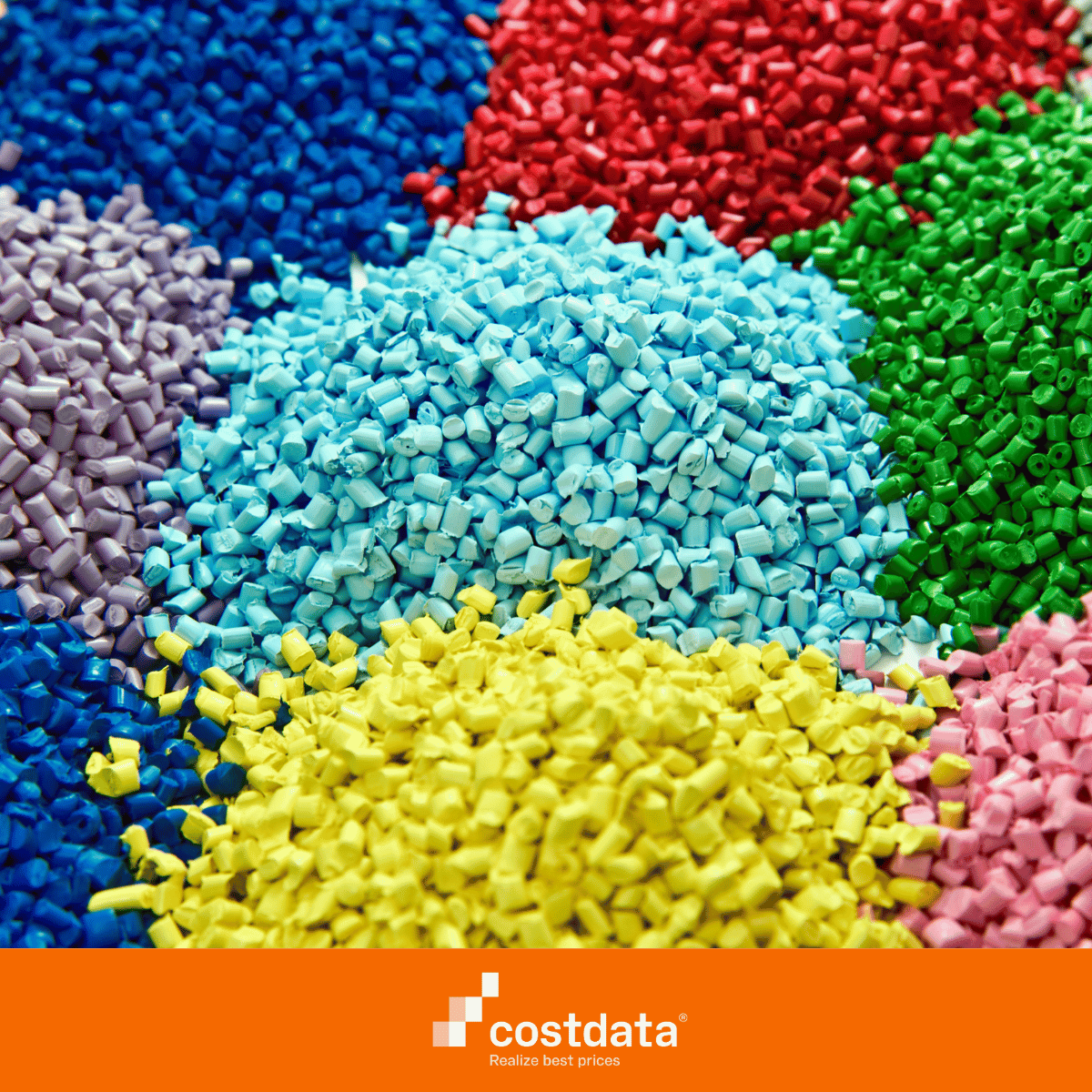
At a time when commodity markets are undergoing dynamic change and sustainability is increasingly determining competitiveness, the price of polyamide 6 plastic is at the center of numerous industrial decisions. Polyamide 6 (PA6) is one of the most important engineering thermoplastics worldwide and is used in large quantities in the automotive, electrical, packaging, and consumer goods industries. Its versatile properties—high strength, good heat resistance, and chemical stability—make it indispensable. However, it is precisely this broad application that causes its price to be heavily dependent on global supply and demand movements.
The costdata® plastics database provides companies with a sound basis for precisely analyzing price trends for polyamide 6 and making informed strategic decisions. It combines comprehensive information on common plastics and special brand materials, which is updated regularly. It thus provides transparency on historical price trends, market trends, and forecasts—key factors for identifying risks and exploiting economic opportunities.
The commodity price of polyamide 6 plastic is largely determined by the availability of the raw materials caprolactam and cyclohexanone. Fluctuations in crude oil prices, rising energy costs, or supply bottlenecks in the chemical industry have a direct impact on cost structures. By using current market data, companies can optimize their purchasing strategies, plan budgets realistically, and better assess long-term price developments.
In addition, the costdata® plastics database not only supports purchasing, but also the search for alternative materials. If the price of polyamide 6 rises above average, the database provides insights into comparable materials such as polyamide 6.6 or polypropylene, which may be an economically attractive option depending on the application. This helps to reduce costs, stabilize supply chains, and develop more sustainable production strategies.
The database also plays an important role in research and development. Engineers and product designers benefit from detailed material data to develop new products or optimize existing solutions. Thanks to precise information on price trends and material properties, innovations can be implemented in areas where polyamide 6 offers impressive performance and cost structure.
Another advantage lies in the improved negotiating position with suppliers. Up-to-date and accurate market data creates transparency and enables fact-based price negotiations. Companies can thus conclude fair and long-term stable agreements—a decisive factor in an increasingly volatile market environment.
The costdata® plastics database not only gives companies insight into current polyamide 6 raw material price trends, but also provides them with a tool for sustainable, future-oriented planning. The combination of market knowledge, data quality, and analytical expertise creates a real competitive advantage—from strategic orientation to operational implementation.


.svg)