Polybutylene terephthalate - Blends Plastic Commodity Price Raw material price development
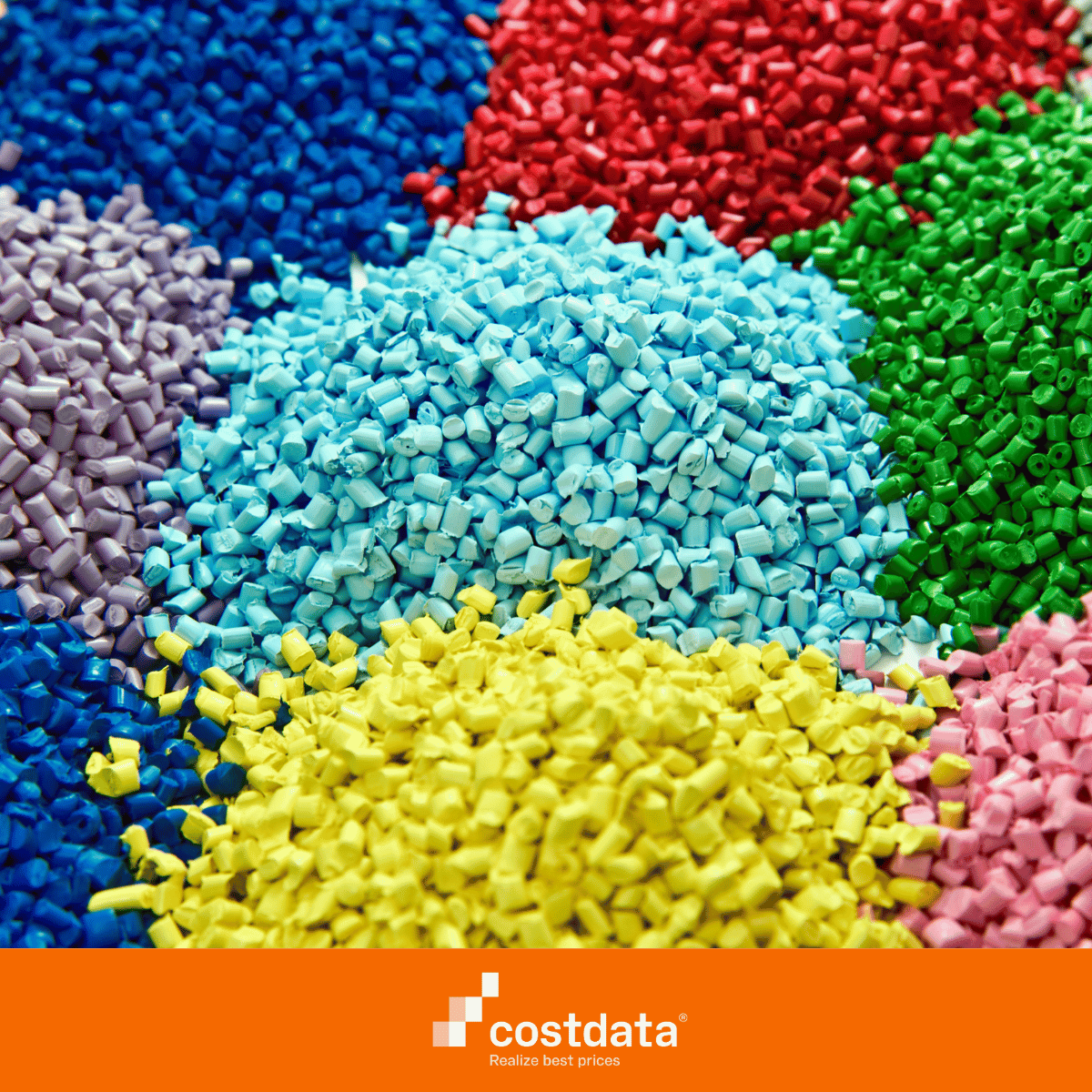
At a time when global commodity markets are characterized by price fluctuations, energy crises, and sustainability requirements, the price of polybutylene terephthalate (PBT) blends is increasingly becoming the focus of strategic corporate decisions. Polybutylene terephthalate, or PBT for short, belongs to the family of thermoplastic polyesters and is often processed in combination with other polymers to form so-called blends. These PBT blends offer improved properties such as higher impact strength, better heat resistance, and optimized electrical insulation capacity—factors that make them indispensable, especially in the automotive, electrical, and electronics industries.
The price development of PBT blends is complex and depends on a variety of global influences. The commodity price of polybutylene terephthalate blends is determined in particular by the costs of the raw materials terephthalic acid (TPA) and 1,4-butanediol (BDO), both of which are derived from petrochemical sources. Rising crude oil prices, fluctuating energy prices, or bottlenecks in the supply chain have a direct impact on manufacturing costs. In addition, additives and copolymers used to modify the blends also contribute to pricing.
In order to make informed decisions in this volatile environment, companies need reliable, up-to-date, and transparent data. This is precisely where the costdata® plastics database offers decisive added value. It combines comprehensive information on common plastics and specialty materials—including PBT blends—and is continuously updated. The database gives companies access to historical price trends, market trends, and forecasts, enabling a detailed analysis of the development of raw material prices for polybutylene terephthalate blends.
The high data quality allows price developments to be tracked precisely and strategic decisions to be made. Companies can optimize their procurement strategies, calculate production costs more accurately, and respond flexibly to market changes. If the price of polybutylene terephthalate blends plastic commodity rises, the database also offers the option of testing alternative material combinations to reduce costs without compromising on quality.
The plastics database also provides valuable support in research and development. Engineers and product designers benefit from detailed material data to develop innovative materials or optimize existing formulations. PBT blends are often used in applications that must meet high technical requirements, such as connectors, housings, or structural components. Here, precise knowledge of material prices helps to implement innovations economically.
In addition, the database strengthens companies' position in price negotiations. Up-to-date and reliable market data creates transparency and trust, leading to stable and long-term supplier relationships. With the costdata® plastics database, companies not only gain a clear overview of current raw material price developments for polybutylene terephthalate blends, but also a strategic tool for sustainable and competitive corporate management.





.svg)


