Polybutylene terephthalate Plastic Commodity price Raw material price development
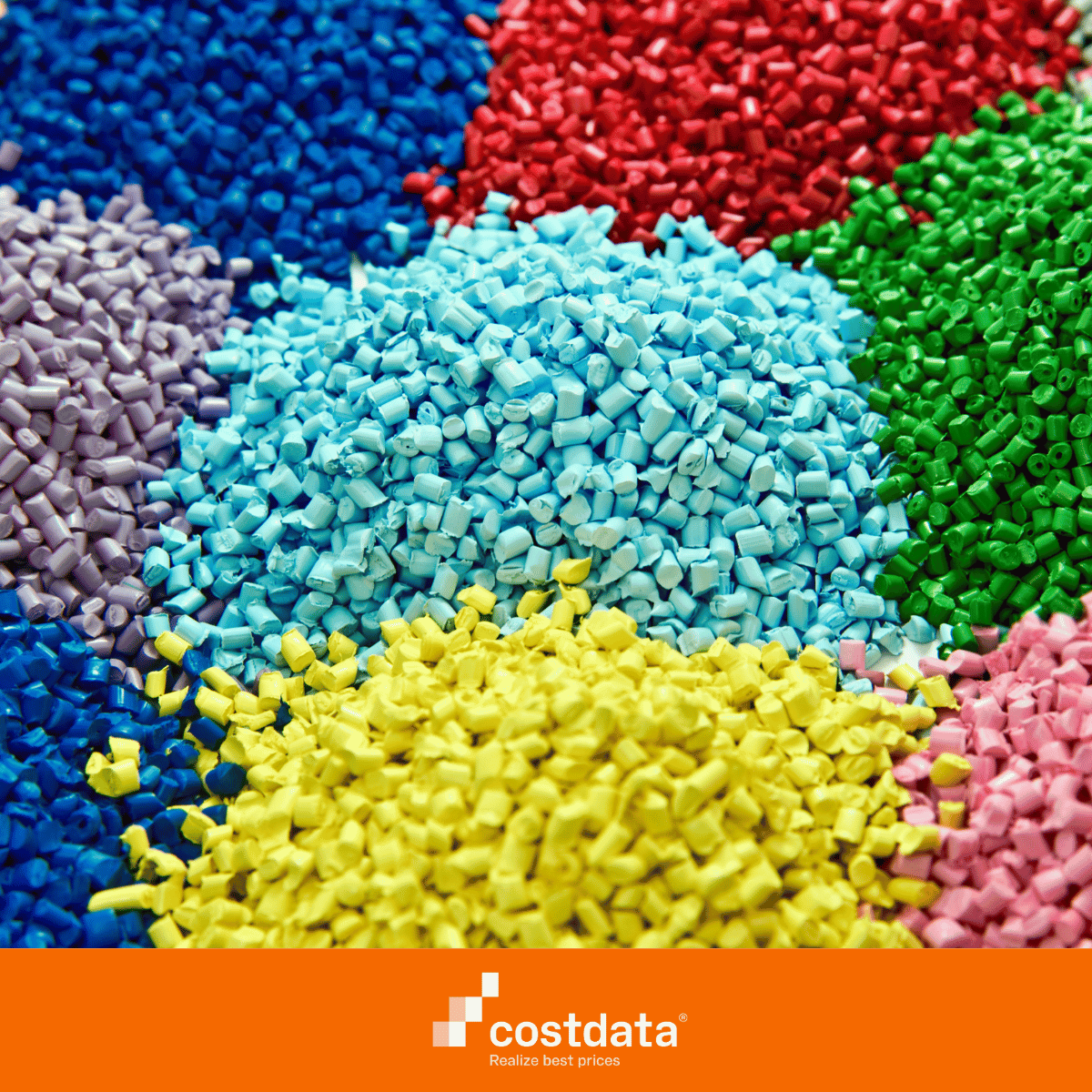
At a time when commodity markets are increasingly characterized by uncertainty, geopolitical influences, and sustainability requirements, the price of polybutylene terephthalate (PBT) plastic plays a decisive role for companies involved in plastics processing. Polybutylene terephthalate, or PBT for short, belongs to the family of thermoplastic polyesters and is used in numerous industries—from the automotive and electrical industries to consumer goods production—due to its high strength, excellent heat resistance, and good electrical insulation properties.
The price development of this versatile material is closely linked to global market conditions for petrochemical raw materials, in particular the costs of terephthalic acid (TPA) and 1,4-butanediol (BDO). Fluctuations in oil prices, supply chain issues, and rising energy costs have led to significant changes in the price of polybutylene terephthalate plastic commodity in recent years. Companies that rely on stable cost planning must closely monitor these developments in order to remain competitive.
The costdata® plastics database provides crucial support in this regard. It combines comprehensive information on common plastics and special materials and is continuously updated. With access to historical price data, market trends, and forecasts, companies can accurately track the development of polybutylene terephthalate raw material prices. This transparency makes it possible to identify developments at an early stage and respond to changes in a timely manner—whether by adjusting procurement strategies, optimizing costs, or using alternative materials.
The high data quality of the costdata® plastics database enables well-founded analyses to be carried out, which help to reduce material costs and make production processes more efficient. Especially in a market environment characterized by price fluctuations, an up-to-date data basis offers the opportunity to make economic decisions on a reliable basis. When the price of polybutylene terephthalate plastic commodities rises, companies can specifically examine alternatives such as PET or PBT compounds, which offer similar properties at more favorable conditions.
The database is also playing an increasingly important role in research and development. It provides detailed information on material properties and market trends, enabling engineers and developers to design innovative product solutions. Due to its excellent processability and stability, PBT will continue to gain importance in the future, especially in sustainable applications—particularly in the field of electric and hybrid vehicle components.
In addition, the plastics database serves as a reliable basis for price negotiations with suppliers. Up-to-date, accurate market data strengthens companies' position in price negotiations and helps to secure long-term, fair partnerships. In times of fluctuating raw material prices, this data sovereignty is a decisive competitive advantage.
The costdata® plastics database gives companies transparency regarding the price development of polybutylene terephthalate, enabling them to control costs, plan strategically, and operate more sustainably—from material selection to long-term production control.





.svg)


