Polycarbonate base plastic commodity price Raw material price development
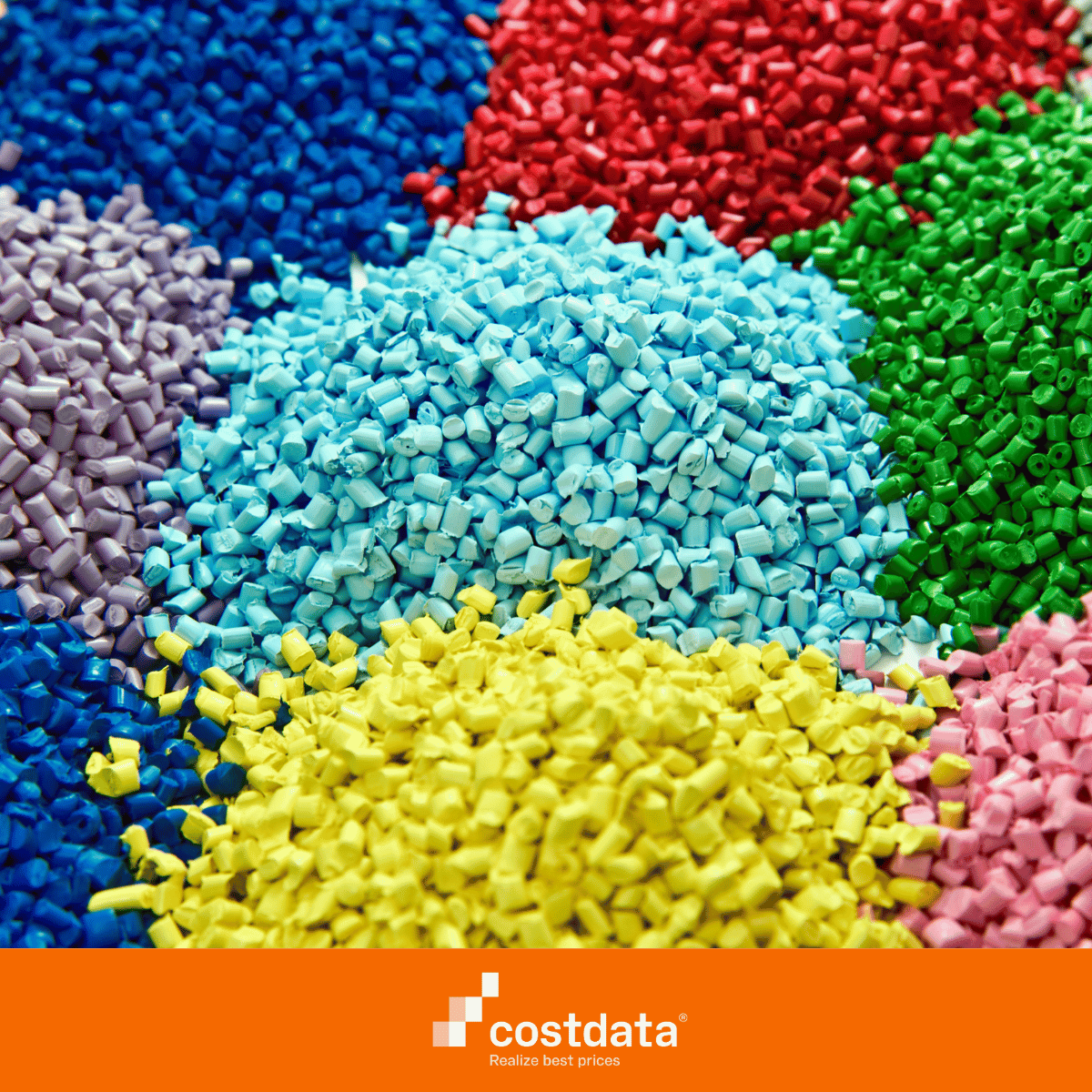
At a time when global commodity markets are characterized by price volatility, geopolitical changes, and growing sustainability requirements, the price development of polycarbonate base plastic commodities is at the center of economic considerations in many industries. Polycarbonate is one of the most important engineering thermoplastics and is used in numerous industries—such as the automotive industry, medical technology, electronics, and construction—due to its high transparency, impact resistance, and heat resistance.
The price development of polycarbonates is influenced by various factors. Among the most important are the costs of the precursors bisphenol A (BPA) and phosgene, which are closely linked to the price of oil. Energy prices, transport costs, environmental regulations, and production capacities also have an impact on the commodity price of polycarbonate-based plastics. Fluctuations in these areas often lead to short-term price adjustments, which have a direct impact on companies' calculations and competitiveness.
In order to plan strategically in such a dynamic environment, companies need up-to-date and accurate market data. This is precisely where the costdata® plastics database provides a crucial foundation. It combines comprehensive information on common plastics and specialized brand materials, including polycarbonates, and is continuously updated. Access to historical price series, market trends, and forecasts enables a well-founded analysis of the raw material price development of polycarbonates. This allows companies to identify price movements at an early stage and react quickly to market changes.
The high data quality of the costdata® plastics database allows for a detailed understanding of complex relationships between raw material prices, production costs, and market developments. Companies benefit from this because they can optimize their cost structures, use materials more efficiently, and align their procurement strategies for the long term based on objective figures. If the base plastic commodity price of polycarbonate rises, the database can be used to analyze alternative materials in order to find cost-efficient and sustainable solutions.
In addition to supporting purchasing and cost management, the database also offers significant advantages for research and development. Engineers and product designers can access a wide range of technical and economic data to develop new, innovative product solutions. Polycarbonate, for example, is a key material for lightweight construction applications and transparent components, which is increasingly being further developed in combination with sustainable or bio-based raw materials. Current market data helps to reconcile economic and environmental goals.
In addition, the plastics database strengthens companies' negotiating position with suppliers. Up-to-date and reliable market data creates transparency and enables fact-based price negotiations. This allows stable partnerships to be established, ensuring long-term cost certainty.
The costdata® plastics database gives companies a clear competitive advantage. It not only provides insights into current raw material price trends for polycarbonate-based plastics, but also offers a solid foundation for sustainable, data-driven, and forward-looking business decisions—from strategic planning to operational implementation.


.svg)