Polycarbonate Blends Plastic Commodity Price Raw Material Price Development
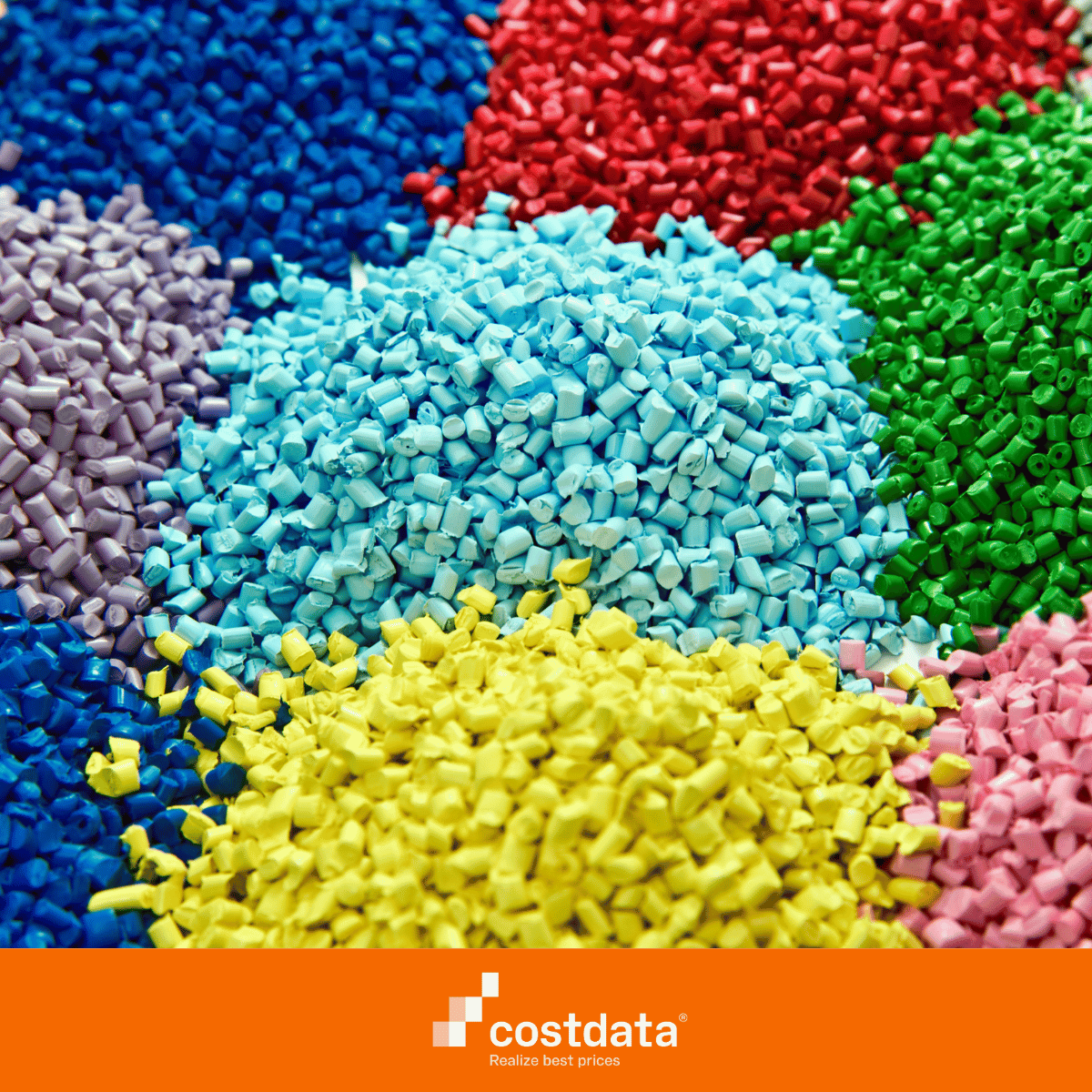
At a time when raw material prices are subject to significant fluctuations and sustainability has become a decisive competitive factor, the price of polycarbonate blends plays an increasingly important role for companies in the plastics industry. Polycarbonate blends are high-performance materials developed by combining polycarbonate with other polymers such as ABS, PET, or PBT. The aim is to improve specific properties such as impact strength, heat resistance, or chemical resistance. This versatility makes polycarbonate blends particularly attractive for applications in the automotive, electrical, construction, and consumer goods industries.
The price development of polycarbonate blends is heavily dependent on global market trends and raw material costs. In particular, the prices of raw materials such as bisphenol A (BPA), phosgene, and the respective blend components have a significant impact on the commodity price of polycarbonate blends. Rising energy prices, transport costs, and geopolitical uncertainties often lead to noticeable price fluctuations. At the same time, sustainability trends and regulatory requirements influence the demand for recyclable and low-emission materials, which also has an impact on the price structure.
In order to better understand these complex market movements and respond strategically, companies need a reliable database. This is where the costdata® plastics database offers decisive added value. It combines comprehensive information on common plastics, specialty materials, and branded products—including polycarbonate blends—and is continuously updated. Companies gain access to historical price developments, market trends, and forecasts, enabling them to conduct a well-founded analysis of the raw material price development of polycarbonate blends.
This transparency helps companies identify developments at an early stage and adapt their procurement strategies accordingly. The high data quality of the costdata® plastics database allows cost structures to be analyzed precisely, price forecasts to be made, and alternative materials to be identified. If the price of polycarbonate blends plastic commodities rises, companies can check whether other material combinations—such as PC/ABS or PC/PBT blends—can be used in a technically and economically viable manner. This not only reduces costs but also supports sustainability goals.
The database also provides valuable support in research and development. Engineers and materials scientists can access technical and economic data to develop new product designs or optimize existing materials. Polycarbonate blends are particularly suitable for innovative applications with high technical requirements—such as lightweight and stable components in the automotive industry or durable electrical components. Current price data helps to plan projects in an economically realistic manner and implement them successfully in the long term.
In addition, the costdata® plastics database provides a solid basis for price negotiations with suppliers. Companies that have accurate and up-to-date market data can conduct price negotiations on an equal footing, establish strategic partnerships, and secure stable long-term supply conditions.
The costdata® plastics database provides companies with a powerful tool for analyzing the development of raw material prices for polycarbonate blends, minimizing risks, and making informed decisions. It enables transparent, sustainable, and future-oriented planning—from strategic procurement to operational implementation.





.svg)


