Polyethylene terephthalate plastic commodity price – current raw material price trends and market analysis
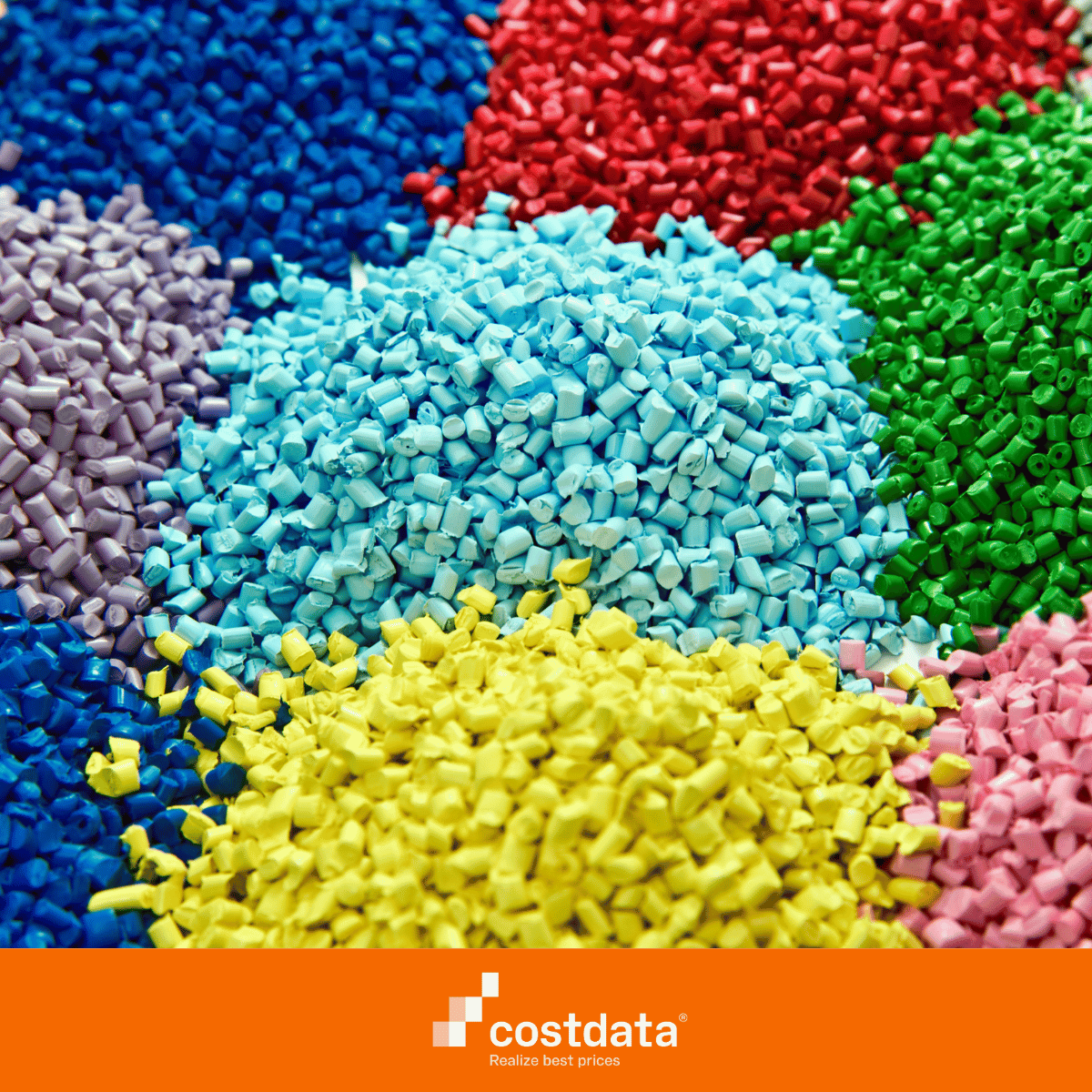
At a time when raw material prices are subject to strong fluctuations and sustainability is increasingly becoming the focus of economic decisions, the commodity price of polyethylene terephthalate plastic plays a decisive role for many branches of industry. Polyethylene terephthalate, or PET for short, is one of the world's most widely used thermoplastics and forms the basis of numerous products – from beverage bottles and packaging to textile fibers and technical applications.
The development of the raw material price for polyethylene terephthalate is closely linked to global factors such as energy prices, the availability of crude oil, and demand from the packaging industry. Especially in times of economic uncertainty and growing environmental requirements, companies need a reliable database in order to correctly interpret price movements and respond strategically.
The costdata® plastics database provides valuable support in this regard. It combines current market information, historical price trends, and detailed material data on PET and other common plastics. Continuous updates create a transparent basis that enables trends to be identified early on and informed decisions to be made. Companies can use this data to make forecasts, optimize procurement strategies, and reduce costs in the long term.
An analysis of the price development of polyethylene terephthalate shows that the market is strongly influenced by recycling rates, global supply chains, and regulatory requirements. The trend toward a more circular economy is leading to an increasing focus on recycled PET (rPET). This development is affecting not only the price, but also the availability of materials and the innovation strategies of many manufacturers.
The costdata® plastics database allows both conventional and sustainable material alternatives to be compared with one another. This enables companies to check which materials make economic sense while also supporting environmental goals. In addition, the accurate market data provides a solid basis for price negotiations with suppliers—a decisive advantage in times of volatile markets.
In addition, research and development benefit from the comprehensive data sets. Detailed information about material properties and price trends helps to develop new product solutions that are geared to current market conditions. The transparency created by the database not only strengthens competitiveness, but also the ability to respond flexibly to future market changes.
Companies that systematically monitor the commodity price of polyethylene terephthalate plastic thus secure a clear information advantage. They can strategically align their material procurement, promote sustainable innovation, and strengthen their market position in the long term. This turns pure data transparency into a decisive factor for economic and ecological success.





.svg)


