Polyglycolic acid (PGA) Plastic Commodity price Raw material price development
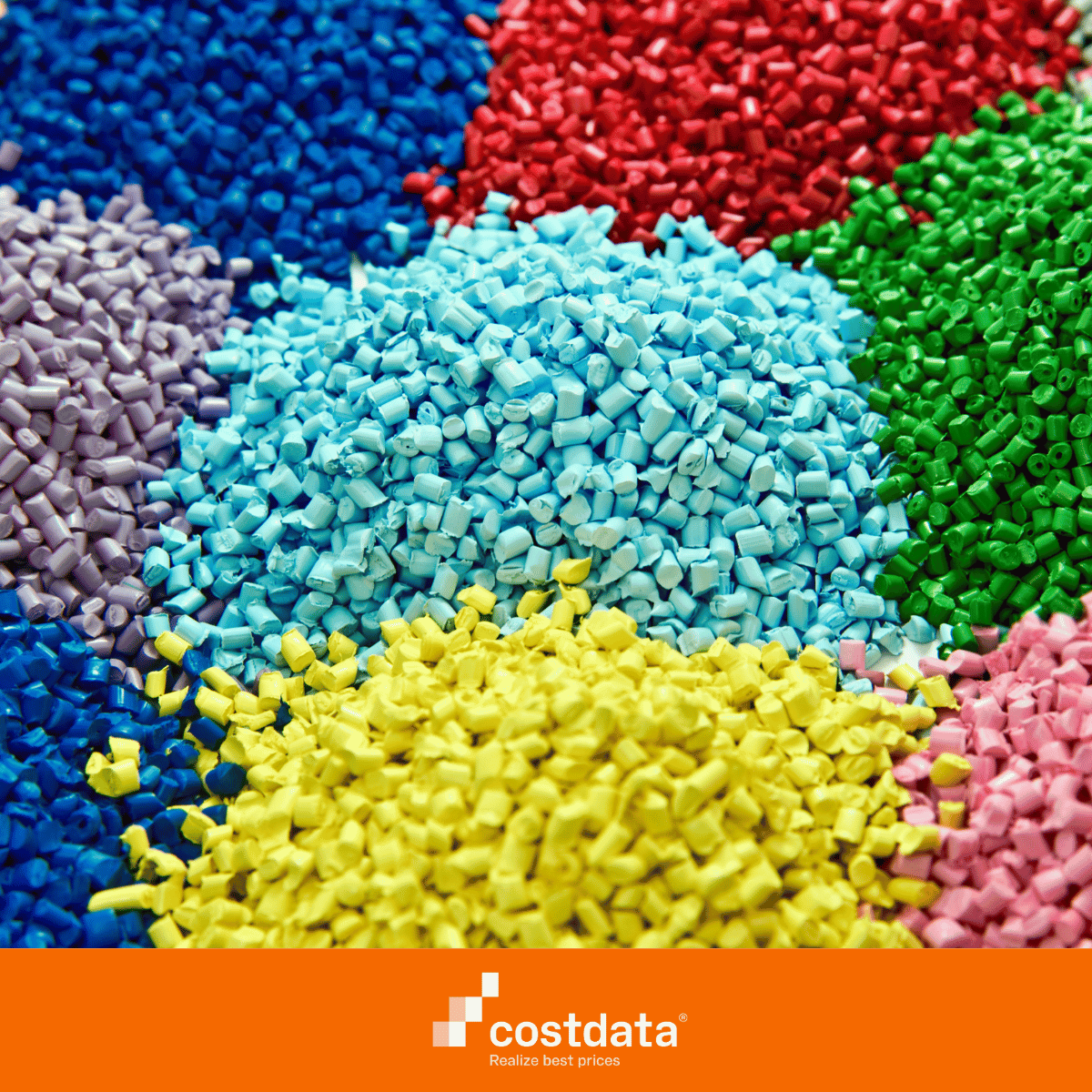
At a time when raw material prices are fluctuating sharply and sustainability has become a decisive economic factor, close monitoring of price developments for high-performance plastics is becoming increasingly important. The commodity price of plastics plays a particularly important role in the case of polyglycolic acid (PGA), as this innovative material is increasingly being used in industrial and medical applications.
The costdata® plastics database provides the ideal basis for this. It combines comprehensive information on commercially available plastics and specialized high-performance materials such as PGA and is continuously updated. This gives companies access to historical price data, market trends, and forecasts that help them understand price developments and make informed decisions. This transparency enables them to respond early to changes in the market environment and optimize their own cost structure in the long term.
Polyglycolic acid (PGA) is a biodegradable thermoplastic polyester that impresses with its high strength, heat resistance, and excellent gas barrier properties. It is used in medical technology for absorbable sutures, implants, and surgical applications, among other things, but is also increasingly being used in the packaging industry, where sustainability and environmental compatibility are playing an increasingly important role. The commodity price of polyglycolic acid (PGA) plastic is strongly influenced by production costs, the availability of raw materials such as glycolic acid, and demand in sustainable markets.
The production of PGA is technologically demanding and energy-intensive, which makes price developments sensitive to fluctuations in energy and raw material prices. In addition, growing demand for biodegradable plastics worldwide is leading to stronger market dynamics. With the help of the costdata® plastics database, companies can analyze these developments precisely. By evaluating historical data and market forecasts, trends can be identified that support strategic procurement decisions and long-term investment planning.
In addition, the database helps optimize cost structures. Companies can track price developments, identify alternative materials, and thus implement sustainable, economically viable solutions. These in-depth analyses help reduce material costs, make processes more efficient, and improve the environmental balance at the same time.
The costdata® plastics database also provides valuable support in research and development. It provides detailed material information that is extremely important for innovative product designs. This enables engineers and product developers to better assess the performance of polyglycolic acid and integrate it into new applications in a targeted manner—from medical devices to biodegradable packaging systems.
Another advantage lies in the use of current market data for negotiations with suppliers. Accurate and traceable data creates transparency and strengthens the negotiating position. Companies that draw on this depth of data can argue price movements objectively and build long-term, fair partnerships.
The costdata® plastics database provides companies with a clear overview of the price development of polyglycolic acid (PGA) plastic. It not only offers transparency on current market trends, but also a reliable basis for sustainable, future-oriented, and data-driven decisions—from strategic alignment to operational implementation.


.svg)