Polylactide plastic commodity price – current raw material price trends and market developments
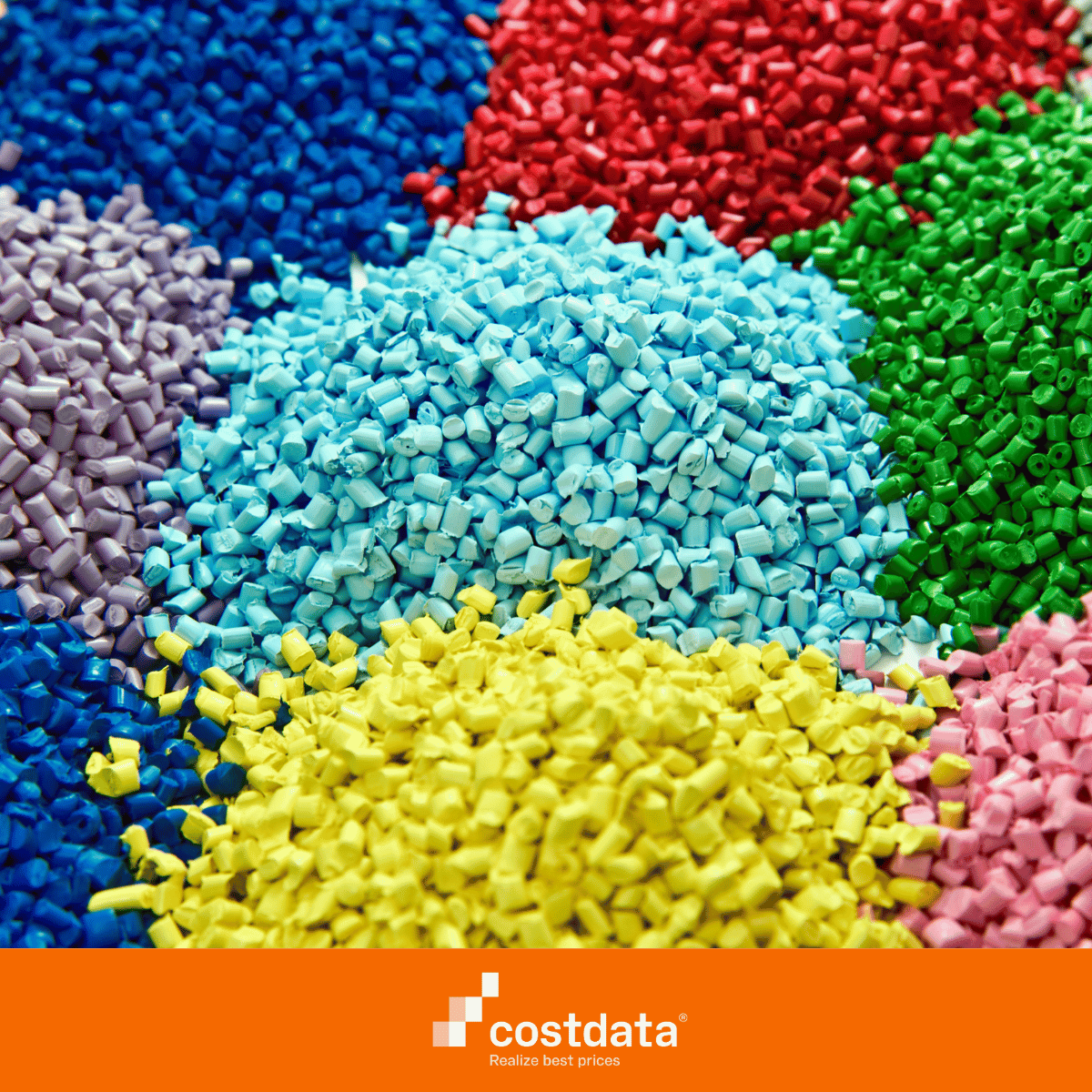
At a time when raw material prices are fluctuating wildly and sustainable business practices are becoming increasingly important, the commodity price of polylactide plastic is becoming a key factor for numerous industries. Polylactides, often referred to as PLA, are among the most important bio-based plastics and symbolize the shift toward more environmentally friendly plastics production. They are primarily obtained from renewable raw materials such as corn starch or sugar cane and are biodegradable—a property that clearly distinguishes them from traditional petrochemical plastics.
The market for polylactides is growing steadily, driven by the increasing demand for sustainable packaging solutions, biodegradable films, and compostable disposable products. However, this growing demand is also influencing price trends. The raw material price for polylactide plastics is determined not only by production costs, but also by the availability of plant-based raw materials, energy prices, and global demand for bio-based materials.
In order to understand these complex price structures and realistically assess future developments, companies need a sound and up-to-date database. This is precisely where the costdata® plastics database provides crucial support. It combines comprehensive information on common plastics and bio-based materials such as PLA and is continuously updated. This gives companies access to historical price developments and market trends, which form a valuable basis for forecasts, strategic planning, and risk assessments.
By using this data, companies can respond to price changes at an early stage, optimize cost structures, and evaluate sustainable alternatives. The polylactide market plays an important role, particularly with regard to the circular economy, as PLA is increasingly becoming part of environmentally friendly product strategies as a compostable material.
Another advantage of the costdata® plastics database is its high data quality, which enables accurate analyses. This allows material costs to be calculated precisely and potential savings to be identified without compromising product quality. Access to up-to-date data also offers considerable added value in research and development, as it promotes innovation and enables new approaches to material processing.
In addition, the database creates a stable basis for price negotiations with suppliers. Up-to-date and objective market data strengthens the negotiating position and promotes long-term partnerships. In a dynamic market situation where ecological and economic factors are equally important, it thus offers a real competitive advantage.
Regularly monitoring and analyzing the polylactide commodity price provides a clear overview of current market trends, price movements, and future potential. This makes the combination of data transparency, sustainability, and market understanding a decisive success factor for modern companies—from procurement to strategic orientation.


.svg)