Polyoxymethylene (polyacetal) plastic commodity price – current raw material price trends and market analysis
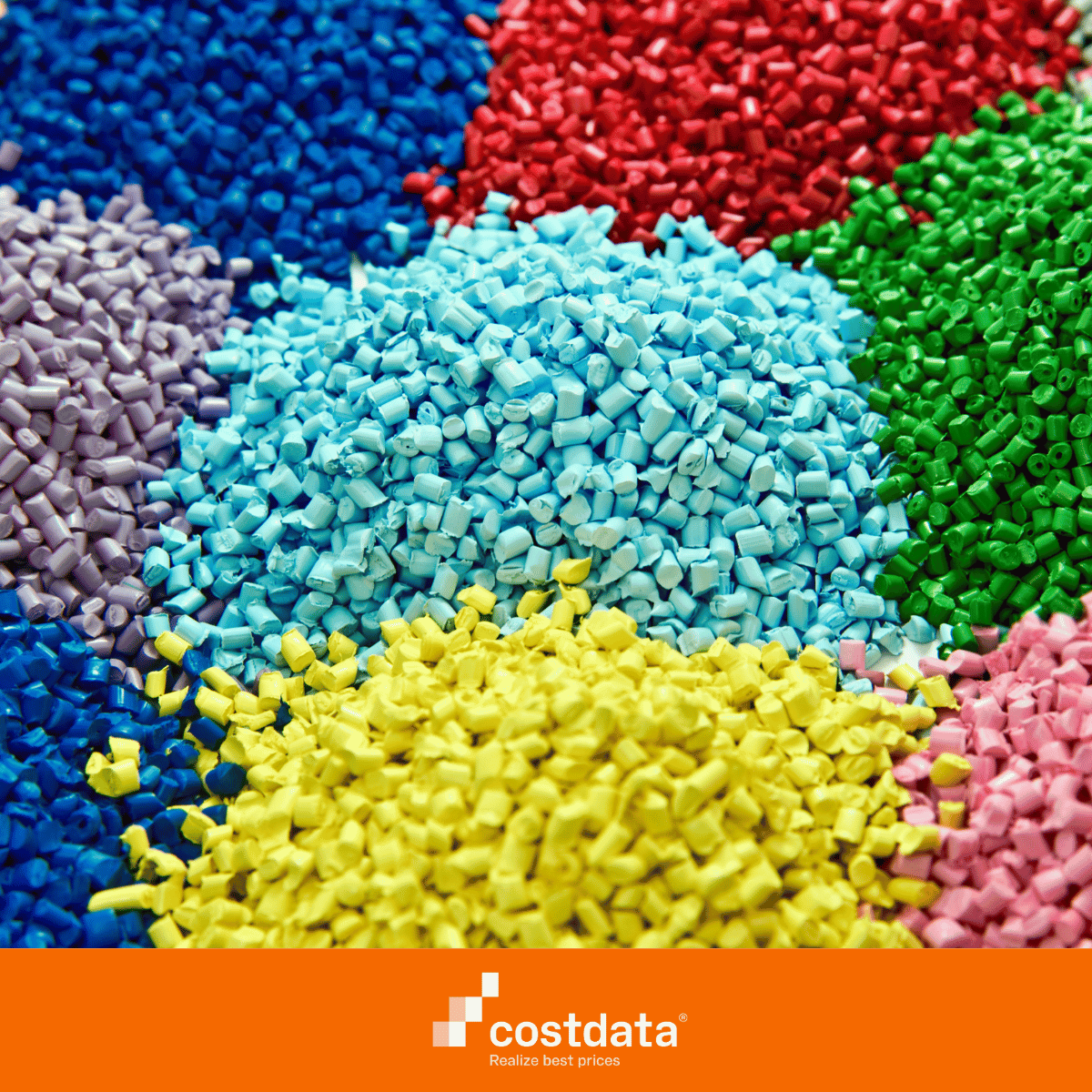
At a time when raw material prices are subject to strong fluctuations and sustainability is becoming increasingly important in industry, the commodity price of polyoxymethylene (polyacetal) plastic is the focus of many companies. Polyoxymethylene, also known as POM or polyacetal, is one of the most important engineering thermoplastics and is valued for its high rigidity, dimensional stability, and wear resistance. The material is widely used in the automotive industry, mechanical engineering, electrical engineering, and consumer goods production.
The price development of polyoxymethylene is influenced by a variety of factors. These include, in particular, the costs of petrochemical raw materials such as formaldehyde and methanol, but also energy prices and production capacities worldwide. Fluctuations in demand, for example due to changes in automobile production or economic uncertainties, have a direct impact on the raw material price for polyoxymethylene (polyacetal).
In a volatile market environment, it is crucial for companies to have access to a reliable database. The costdata® plastics database provides exactly that. It combines comprehensive information on common and specialized plastics, including polyoxymethylene, and is continuously updated. With access to historical price data, market trends, and forecasts, companies are able to make informed decisions and strategically manage price developments.
A major advantage of this database is the high quality of the data. It allows precise analyses to be carried out in order to reduce material costs and make processes more efficient. Based on this data, companies can not only track short-term price movements, but also identify long-term market changes and take appropriate action. This turns pure observation into an active market strategy.
In addition, the plastics database assists in identifying alternative materials. Especially in times of rising raw material prices or limited availability, early evaluation of substitute materials can reduce costs and ensure security of supply. By comparing technical and economic indicators, well-informed decisions can be made without compromising on quality or sustainability.
In addition to cost analysis, the role of the database in research and development should also be emphasized. Engineers and product designers benefit from detailed material information, which enables them to develop innovative and resource-efficient product solutions. At the same time, the database provides a solid foundation for negotiations with suppliers. Companies that have access to up-to-date and reliable market data are in a position to conduct price negotiations on an equal footing and optimize long-term partnerships.
Monitoring the commodity price of polyoxymethylene (polyacetal) plastic is therefore much more than a purely economic task. It serves as a strategic tool that creates transparency, strengthens competitiveness, and enables sustainable decisions—from material procurement to long-term corporate planning.





.svg)


