Polyphenylene sulfone plastic commodity price Raw material price development
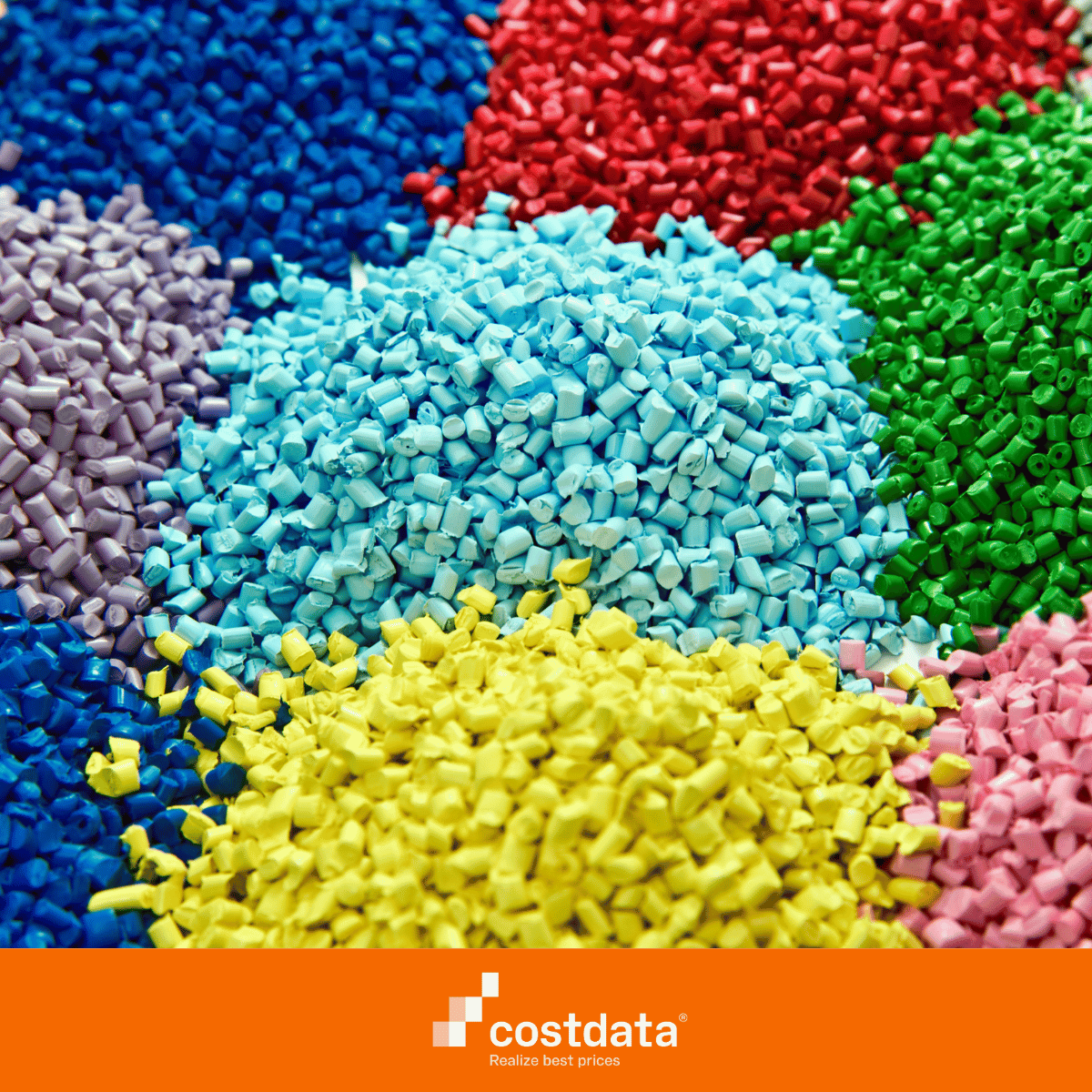
In times of global uncertainty and growing sustainability requirements, monitoring the price of polyphenylene sulfone plastic commodities is becoming a crucial factor for companies. Polyphenylene sulfone (PPSU) is a high-performance plastic used in demanding applications such as medical technology, aviation, and the electronics industry. Its exceptional temperature stability and chemical resistance make it an important material—but these properties also come with complex price structures.
The costdata® plastics database provides a sound basis for this. It offers current and historical data on price trends for polyphenylene sulfone and other engineering plastics. This information enables companies to understand market movements and make price forecasts on a solid basis. Especially in an environment where raw material prices fluctuate greatly, access to reliable data is crucial for making economically stable decisions.
By continuously updating the database, companies can keep track of commodity price developments and adjust their purchasing strategies at an early stage. Historical data shows how the price of polyphenylene sulfone plastic commodities has developed across different market phases. This allows patterns and trends to be identified, which can be used as a basis for strategic planning—for example, for cost optimization or long-term contract design with suppliers.
A key advantage lies in the ability to identify alternative materials. With the help of the costdata® plastics database, companies can check which plastics have similar properties to polyphenylene sulfone but are more cost-effective or sustainable. These findings not only contribute to reducing material costs, but also promote innovation and environmental responsibility within production processes.
The database also opens up valuable perspectives in research and development. It provides engineers and product developers with precise information on material properties, market availability, and price trends. This creates a sound basis for the development of new products and technologies that are geared to current market conditions.
Furthermore, transparency regarding current price levels strengthens the negotiating position vis-à-vis suppliers. Companies that have accurate data on the commodity price of polyphenylene sulfone plastic can conduct price negotiations on an equal footing and negotiate fair, long-term sustainable terms.
The use of current market data therefore not only creates cost advantages, but also planning security. It enables a strategic orientation that combines both economic efficiency and sustainability. With the costdata® plastics database, companies gain a decisive overview of price developments and market dynamics – an indispensable basis for success in the modern plastics industry.




.svg)


