Polypropylene homopolymer plastic commodity price – current raw material price trends and market developments
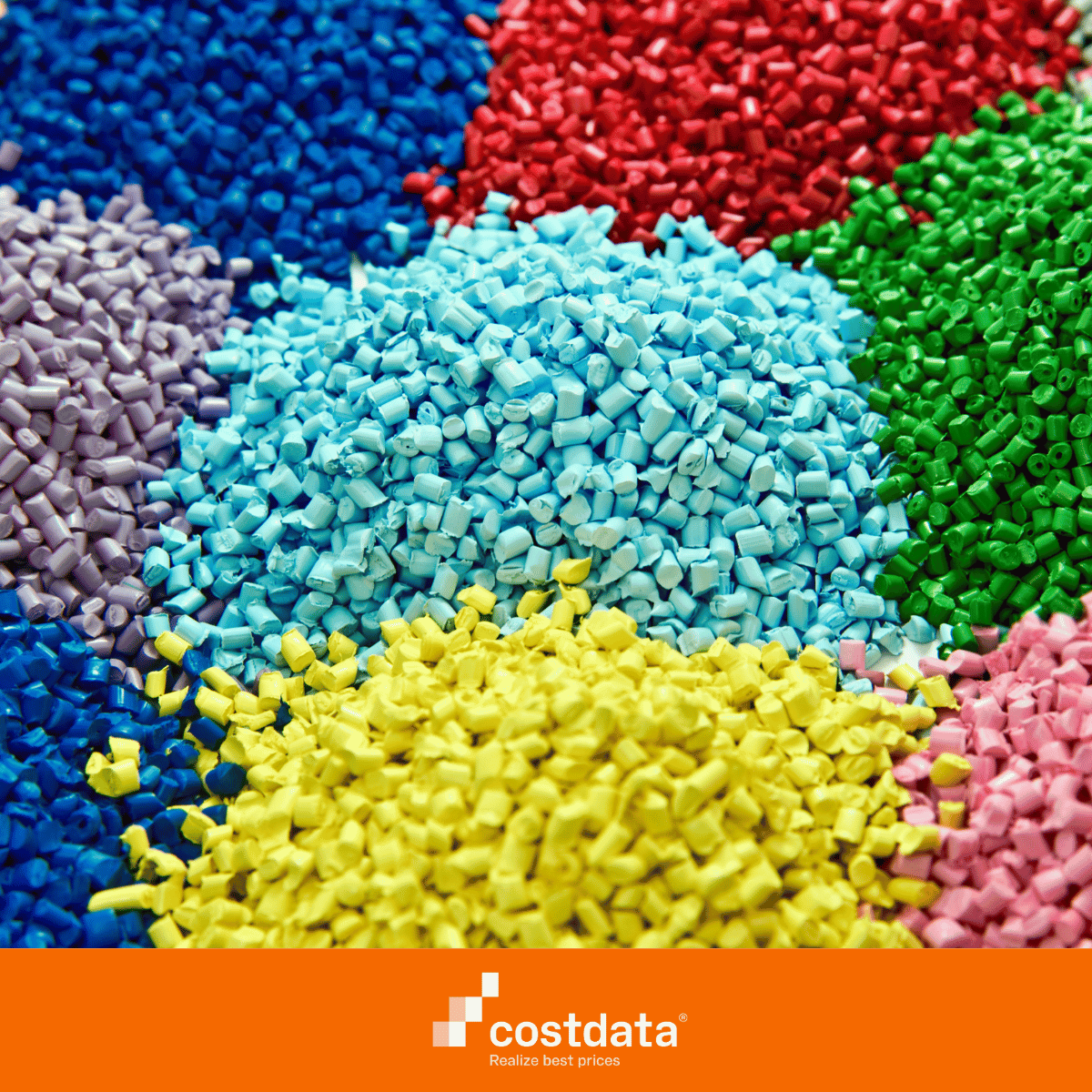
At a time when raw material prices are fluctuating sharply and sustainability is becoming increasingly important, the commodity price of polypropylene homopolymer plastic is becoming a decisive factor for many industrial sectors. Polypropylene homopolymer (PP-H) is one of the most widely used plastics worldwide and is characterized by its high rigidity, chemical resistance, and excellent processability. It is used in a wide range of applications, from packaging and textile fibers to automotive parts and electrical components.
The price development of polypropylene homopolymers is influenced by various economic and technical factors. Since polypropylene is produced from propylene, a by-product of petroleum and natural gas processing, global energy prices have a direct impact on the raw material price for polypropylene homopolymer. Other factors include production capacities, transport costs, and shifts in demand in the most important consumer industries, particularly the packaging and automotive sectors. These complex interdependencies make the PP-H market a sensitive indicator of economic changes.
In order to accurately track these developments and make informed decisions, companies need a reliable database. This is precisely where the costdata® plastics database offers decisive added value. It brings together comprehensive information on common and specialized plastics and is continuously updated. With access to historical price data, market trends, and forecasts, companies have a solid basis for strategic planning and investment decisions.
The high data quality of the plastics database enables accurate analyses to track price movements and optimize cost structures. Companies can identify developments at an early stage and respond flexibly to market changes. Especially in times of volatile commodity markets, this is a decisive competitive advantage that contributes to both cost reduction and increased efficiency.
In addition to price monitoring, the database also helps companies identify alternative materials. This allows them to evaluate more environmentally friendly or cost-efficient materials without compromising on quality. As a result, sustainability goals and economic requirements can be reconciled.
In addition, the database provides valuable support in research and development. Detailed material and market data enable innovative product designs to be developed and optimized in a more targeted manner. At the same time, the database creates transparency in price negotiations with suppliers. Up-to-date and accurate market data strengthen the negotiating position and enable long-term stable partnerships.
Monitoring the price of polypropylene homopolymer commodity plastic is therefore much more than just market analysis. It forms the basis for sound economic and strategic decisions in a globalized, dynamic industry. With the support of the costdata® plastics database, companies gain a clear information advantage—for greater transparency, sustainability, and competitiveness along the entire value chain.


.svg)