Impact-resistant polystyrene Plastic commodity price Raw material price development – Market transparency for sustainable material decisions
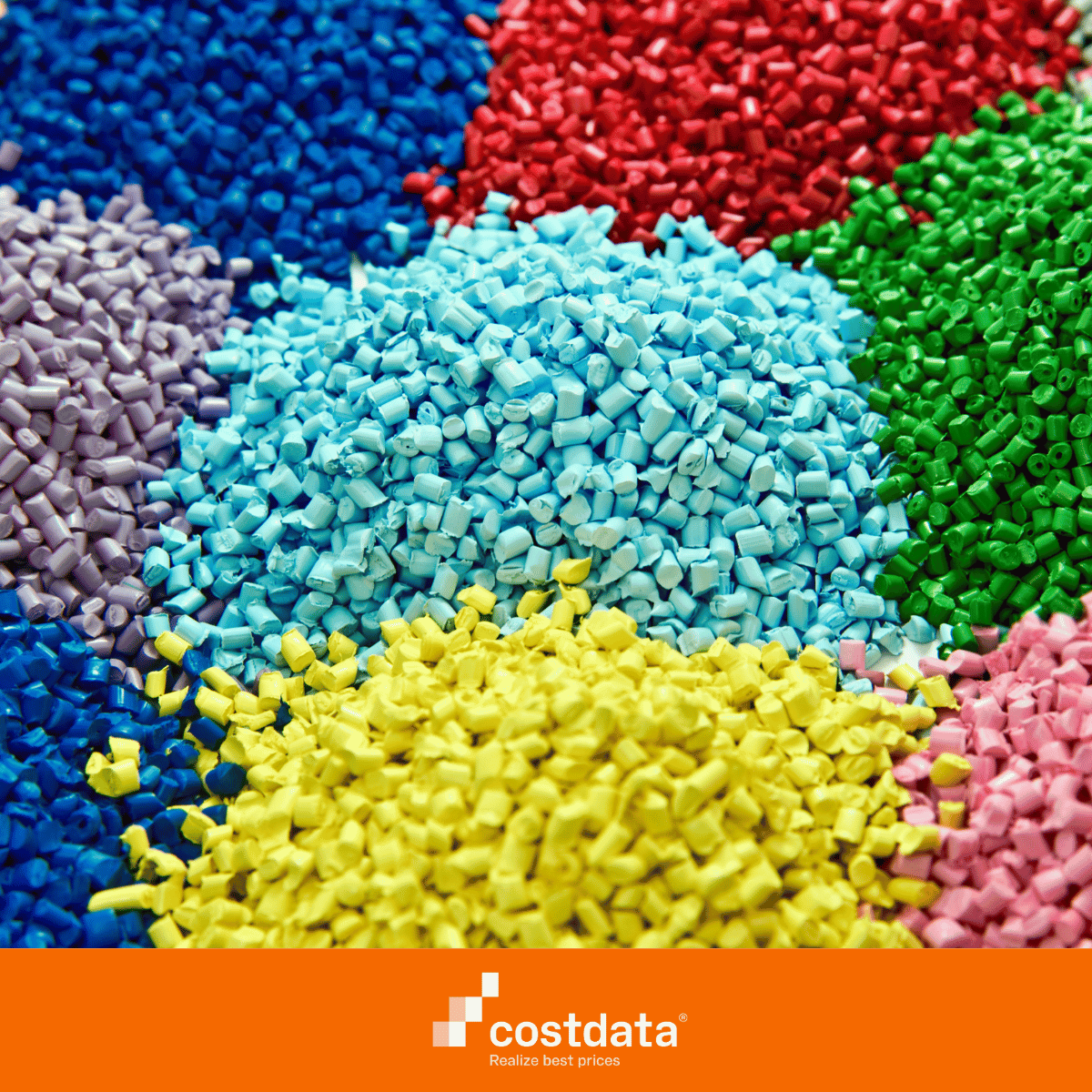
In a globalized industry where raw material prices and supply chains are constantly changing, an accurate database is crucial to remaining competitive. The price development of impact-resistant polystyrene plastic commodities plays a particularly important role for many industries, as this material is used in countless applications—from the packaging industry to household appliance manufacturing and automotive production. The costdata® plastics database provides the necessary basis for transparently tracking price developments, making informed decisions, and controlling material costs in a targeted manner.
Impact-resistant polystyrene, often referred to as HIPS (High Impact Polystyrene), is a modified version of standard polystyrene. The addition of rubber particles significantly improves impact resistance, making the material more robust and resistant to mechanical stress. This combination of strength, ease of processing, and cost-effectiveness makes HIPS a popular material in the consumer goods industry, medical technology, and the electrical industry.
Commodity prices for impact-resistant polystyrene are closely linked to the price trends of the raw materials styrene and butadiene. Both raw materials are of petrochemical origin, which is why the price of oil plays a decisive role. Rising energy and transport costs, capacity bottlenecks in refineries, and geopolitical tensions also have a direct impact on raw material price trends. In addition, environmental regulations and sustainability requirements are increasingly influencing production costs, as energy-intensive processes and fossil raw materials are becoming more heavily regulated.
The costdata® plastics database offers companies the opportunity to closely monitor and evaluate these developments. It provides historical price trends, market analyses, and forecasts that enable sound cost planning and long-term material strategies. With this data, companies can identify trends early on, optimize budgets, and strategically prepare for price fluctuations.
In addition, the database assists in the selection and evaluation of alternative materials. Especially in times of high raw material prices, comparing different types of polystyrene or polymer compounds can help identify economical and sustainable alternatives—without compromising on quality or processing.
The costdata® plastics database is also a valuable tool in research and development. It provides technical and pricing information that plays a decisive role in material selection, product optimization, and innovation development. At the same time, it creates the necessary transparency in purchasing and controlling to objectively evaluate supplier offers and negotiate on the basis of reliable market prices.
The costdata® plastics database gives companies a clear information advantage. It makes the price development of impact-resistant polystyrene plastic commodities and raw materials transparent, supports data-based decisions, and helps to optimize cost structures in the long term. At a time when sustainability and cost-effectiveness are equally important, it is an indispensable tool for successful material strategies.





.svg)


